
How to Care for and Preserve Estate Jewelry for the Next Generation
One of the most remarkable things about estate jewelry is that it has already stood the test of time.
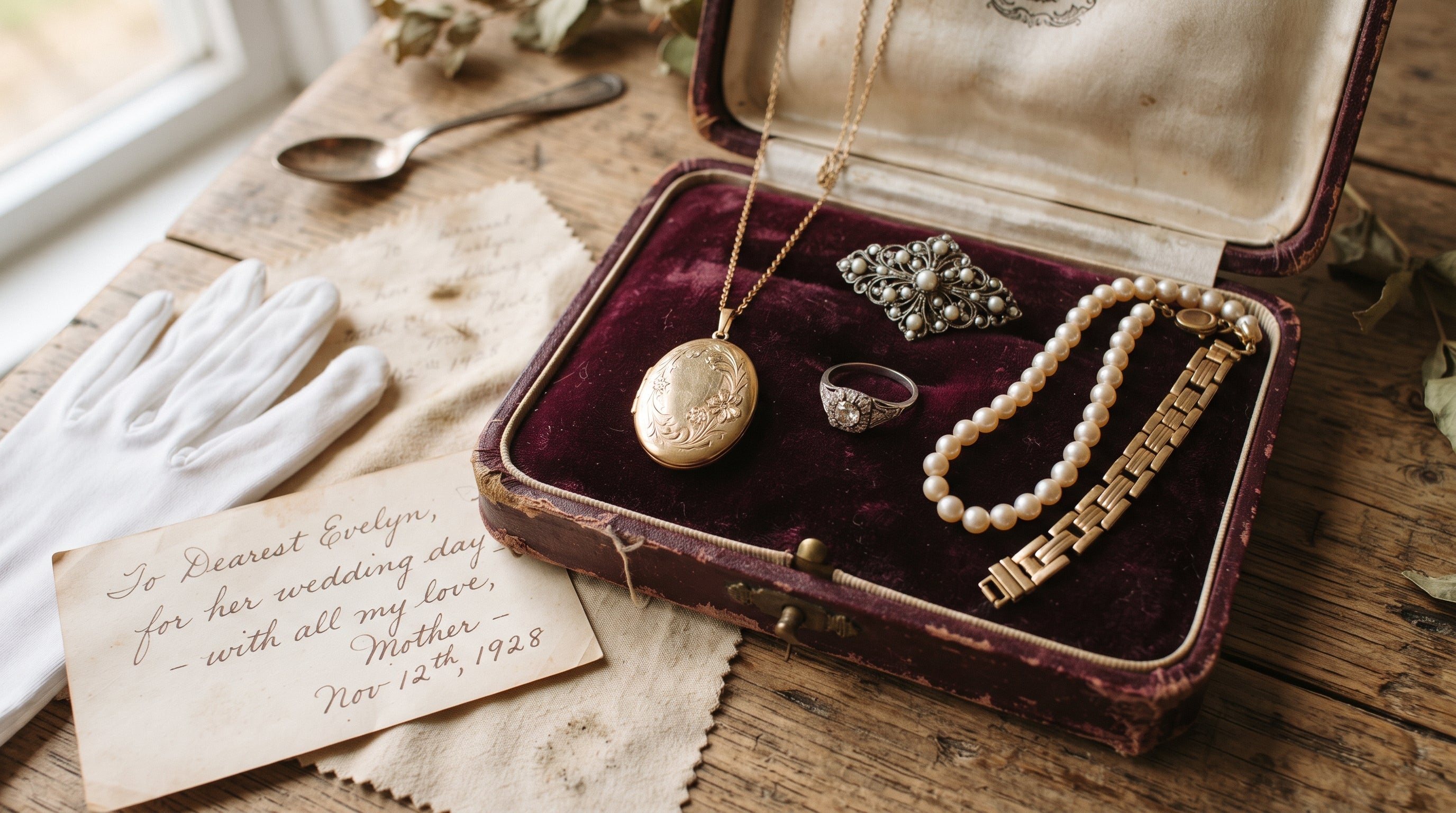
A ring worn by a grandmother, a brooch tucked away for decades, or a bracelet passed from one generation to the next carries more than precious metals and gemstones—it carries family history.
With proper care, many pieces of fine jewelry can last for generations beyond their original owners. While no piece of jewelry is indestructible, a little preventative care can go a long way toward preserving both its beauty and its structural integrity.
Whether you've inherited a family heirloom or are building a collection of estate jewelry to pass on someday, these simple habits can help protect your investment and the memories it represents.
Wear It—But Wear It Wisely
Many people assume estate jewelry is "too special" to wear.
In reality, fine jewelry was created to be enjoyed. Locking it away in a safe for decades doesn't necessarily preserve it better than thoughtful, regular wear.
The key is understanding when to wear it—and when to take it off.
Remove rings, bracelets, and necklaces before:
-
Gardening or yard work
-
Weightlifting or strenuous exercise
-
Swimming in pools or the ocean
-
Using household cleaners or harsh chemicals
-
Home improvement projects
-
Activities where jewelry could be struck against hard surfaces
Daily wear is generally not a problem for well-maintained jewelry. It's repeated impact, abrasion, and exposure to chemicals that tend to cause damage over time.
Store Each Piece Separately
One of the easiest ways to damage jewelry is simply by storing it improperly.
Diamonds can scratch almost every other gemstone, and even gold jewelry can become scratched when pieces rub together.
Ideally, each item should be stored:
-
In its own soft pouch or fabric-lined compartment
-
In a jewelry box with divided sections
-
Away from excessive humidity and direct sunlight
-
In a secure location when not being worn
Necklaces should also be fastened before storing to help prevent tangles.
Keep It Clean—Gently
Estate jewelry doesn't usually require aggressive cleaning.
Warm water, a few drops of mild dish soap, and a soft toothbrush are often all that's needed to remove everyday dirt and oils.
After cleaning, rinse thoroughly and dry with a soft, lint-free cloth.
Avoid abrasive cleaners, harsh chemicals, ultrasonic cleaners, or steam cleaning unless you know the piece and its gemstones are suitable for those methods.
Some antique jewelry contains older setting techniques, delicate enamel, pearls, opals, turquoise, or other gemstones that require more specialized care.
When in doubt, ask your jeweler before cleaning.
Understand That Older Jewelry May Need More Attention
Estate jewelry has already lived a long life.
Even beautifully maintained pieces naturally experience wear over decades of use.
Prongs may become thinner.
Clasps may loosen.
Ring shanks may gradually wear down.
Chains may weaken with age.
These issues don't necessarily mean something is wrong—they're simply part of the normal aging process of well-loved jewelry.
Addressing small repairs early often prevents much larger problems later.
Have Jewelry Inspected Periodically
One of the most valuable forms of maintenance isn't cleaning—it's inspection.
Many problems develop gradually and aren't obvious to the owner.
During a professional inspection, a jeweler can check for:
-
Worn or damaged prongs
-
Loose diamonds or gemstones
-
Thin ring shanks
-
Worn clasps
-
Weak chain links
-
Signs of previous repairs
-
Cracks or structural wear
Catching these issues early is often far less expensive—and far less heartbreaking—than replacing a lost gemstone or repairing major damage.
If you wear a piece regularly, having it inspected about once a year is a good habit.
Be Thoughtful About Repairs
Estate jewelry often tells its story through decades of careful wear.
When repairs become necessary, the goal is usually preservation rather than making the piece look brand new.
An experienced jeweler can often restore a piece while respecting its original craftsmanship and character.
For example, polishing may remove years of accumulated scratches, but it can also soften details or remove the natural patina that many antique collectors appreciate.
Similarly, replacing worn components may improve durability while slightly changing the appearance of the piece.
Every repair should balance preserving the jewelry's history with ensuring it can continue to be safely worn.
Keep Documentation Together
If your jewelry includes original receipts, appraisals, photographs, boxes, grading reports, or family history, keep those items together whenever possible.
While documentation doesn't always increase value, it can provide useful information for future generations.
Even a simple handwritten note describing where the piece came from, who owned it, or when it was given can become part of its history.
Years from now, those personal details may be just as meaningful as the jewelry itself.
Consider Updating Appraisals
If your estate jewelry is insured, it's worth reviewing your appraisal from time to time.
Gold, platinum, diamonds, and colored gemstones can change significantly in value over the years.
An updated appraisal helps ensure that insurance coverage accurately reflects today's replacement costs rather than values from many years ago.
The Most Important Part of Preservation
The greatest value of estate jewelry often isn't measured in dollars.
It's found in the stories attached to each piece.
Take the time to share those stories.
Tell your children or grandchildren where a ring came from, who wore a bracelet before you, or why a pendant became part of your family's traditions.
Those memories are impossible to replace.
The jewelry becomes more than an object—it becomes a connection between generations.
Final Thoughts
Estate jewelry has already survived decades, and in many cases, more than a century.
With thoughtful care, periodic maintenance, and proper storage, it can continue to be worn, enjoyed, and eventually passed on again.
At Reliable Gold, we believe preserving estate jewelry isn't simply about protecting precious metals and gemstones. It's about protecting family history.
Whether you've inherited a treasured heirloom, are caring for a growing collection, or want to prepare pieces to pass to the next generation, a little attention today can help ensure they remain part of your family's story for many years to come.
Read more
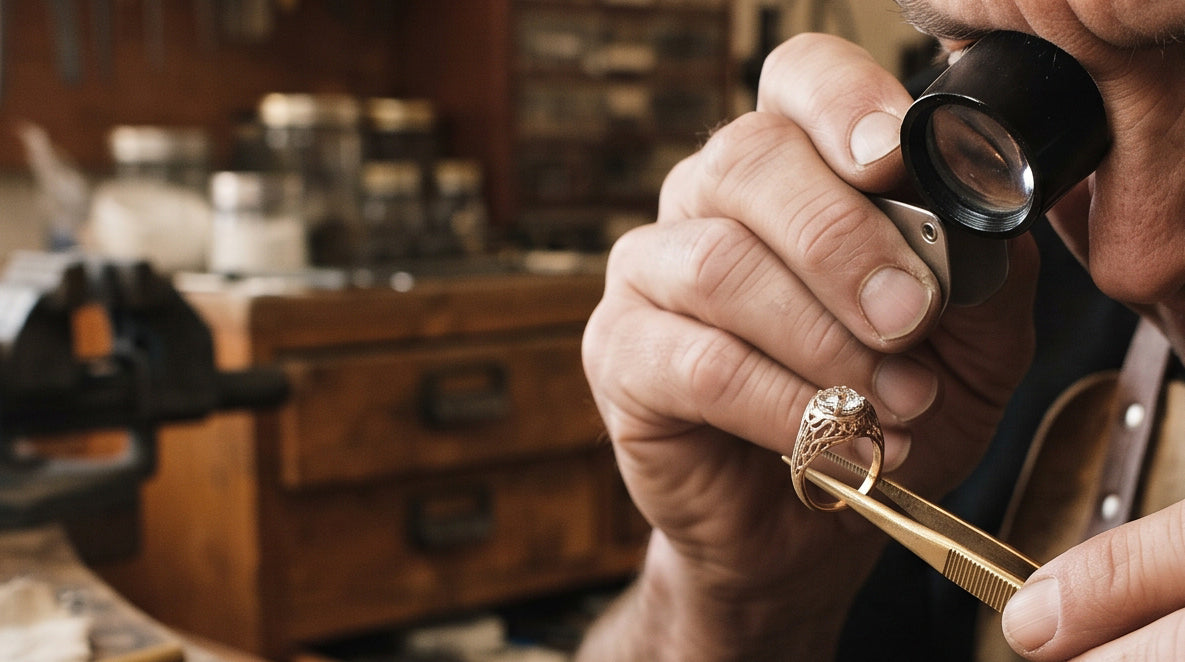
Should You Repair Old Jewelry or Sell It As-Is?
Should you repair old jewelry before selling it? Learn why the answer depends on the piece, its condition, resale potential, and whether it is valued for materials or as a finished piece.
Read more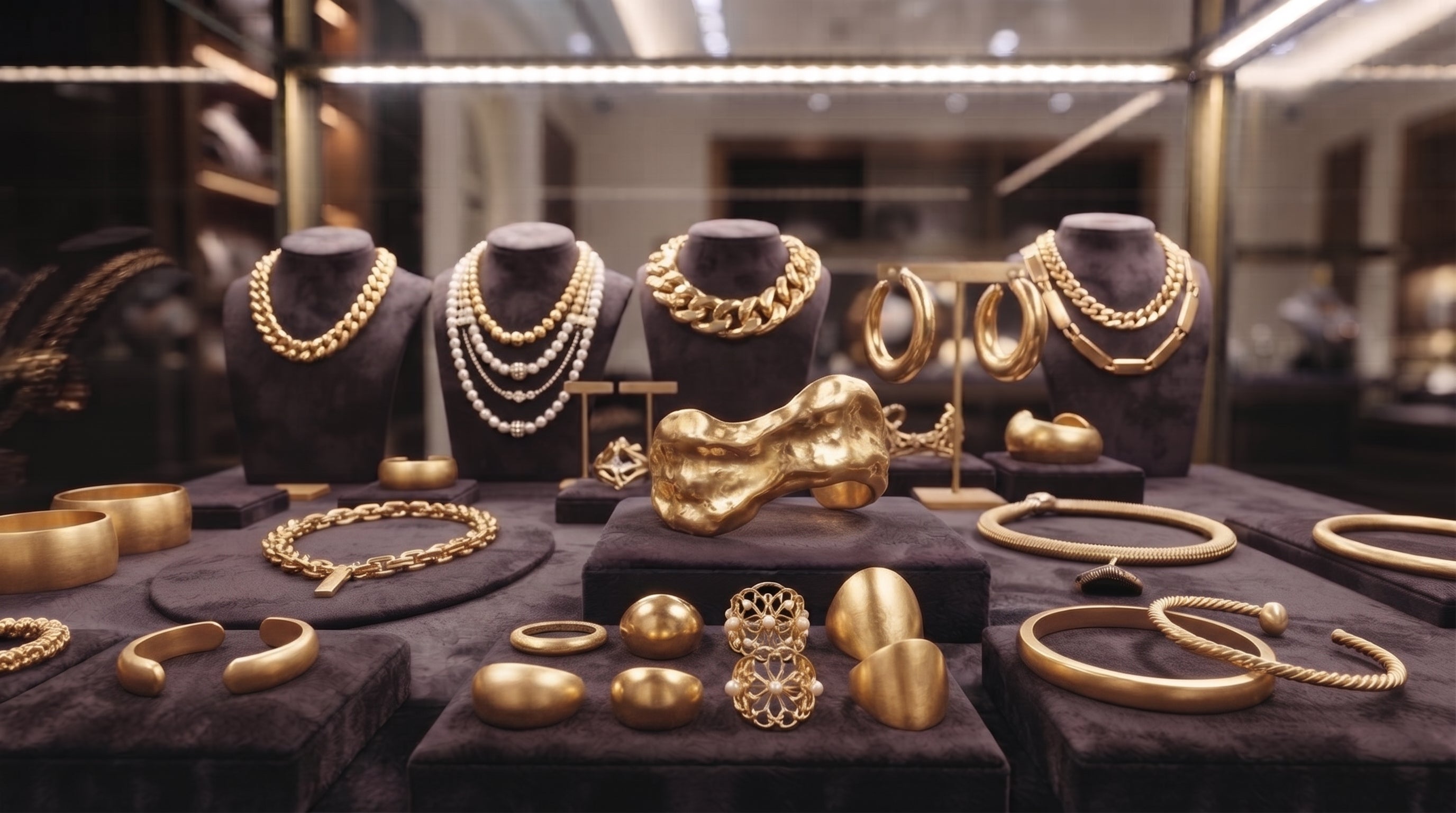
What to Look for When Buying Gold Jewelry: Karat, Hallmarks, Weight, and Quality
Learn what to look for when buying gold jewelry, from karat and hallmarks to weight, construction, craftsmanship, and condition. Understand why two gold pieces can have very different value.
Read more