
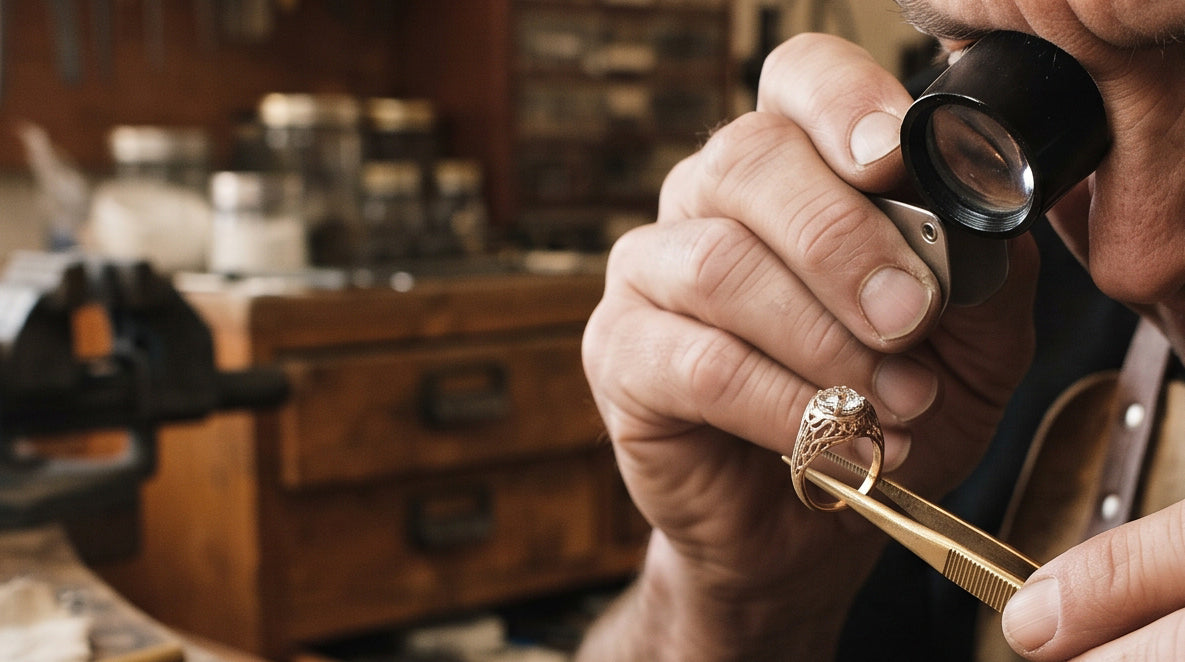
Should You Repair Old Jewelry or Sell It As-Is?
When people inherit jewelry or find pieces they no longer wear, one of the first questions they often ask is:
"Should I have this repaired before I sell it?"
The answer depends on several factors.
A repair that makes sense before selling one piece may not make financial sense for another. The right decision depends on the condition of the jewelry, how desirable the piece is in today's market, and what type of buyer is evaluating it.
A jeweler purchasing jewelry for its gold content may view a piece very differently from a jeweler considering it for resale as a finished item.
Understanding how different buyers evaluate repairs can help you decide whether investing in restoration is worthwhile—or whether selling the piece as-is makes more sense.
First: What Is the Jewelry Being Valued For?
Before deciding whether to repair jewelry, it helps to understand how the piece will be evaluated.
Not every buyer is looking for the same thing.
Jewelry may be valued as:
-
Precious metal to be refined
-
A finished piece that can be resold
-
An estate or vintage item with design appeal
-
A piece containing valuable diamonds or gemstones
The same repair can have a very different impact depending on which of these categories applies.
Not Every Piece Is Suitable for Resale
One of the most important things to understand when selling jewelry is that not every piece will be resold as a finished item.
This can sometimes be surprising, especially when a piece has personal meaning or has been treasured by a family for many years.
A jewelry professional looks at different factors when determining whether a piece has resale potential, including:
-
Current style and market demand
-
Quality of craftsmanship
-
Condition
-
Brand or designer recognition
-
Gemstone quality
-
Whether the piece appeals to today's buyers
Many pieces of jewelry are valuable primarily because of the materials they contain. Gold, platinum, diamonds, and gemstones all have recognized value, even when the finished piece is no longer something that is likely to be purchased and worn again.
A ring that was meaningful to one family may not necessarily be a piece another customer is looking to buy.
That does not mean the jewelry has no value. It simply means it may be valued differently.
Sentimental value and market value are two different things.
If the Jewelry Is Being Purchased for Its Materials
In many cases, jewelry brought in for sale is evaluated primarily for its precious metal and gemstone content rather than as a finished piece to be resold.
This may apply to:
-
Broken chains
-
Outdated styles
-
Damaged jewelry
-
Pieces with limited resale demand
-
Items where the materials are more valuable than the finished design
In this situation, repairing the jewelry before selling usually does not make financial sense.
Spending money on a repair does not necessarily increase the value of the gold itself.
For example, repairing a broken clasp on a chain that is ultimately valued primarily for its metal content may simply add an expense without increasing the return.
However, that does not mean the piece has no value. Gold, platinum, diamonds, and gemstones can still contribute meaningful value even when the jewelry itself is not likely to be resold.
If the Jewelry Has Resale Potential
The situation changes when a piece has characteristics that make it desirable as jewelry.
In these cases, repairs may improve the piece's marketability.
A potential buyer is usually more interested in a ring that is secure, wearable, and ready to be enjoyed than one requiring immediate work.
Repairs that may improve resale appeal include:
-
Replacing worn prongs
-
Repairing broken clasps
-
Tightening loose stones
-
Restoring damaged finishes
-
Repairing structural issues
However, the repair still needs to make economic sense.
A $1,000 repair does not automatically create $1,000 or more in additional value.
The goal is not simply to make a piece "perfect." The goal is to determine whether the repair helps reveal the piece's value in the marketplace.
Consignment Usually Requires a More Finished Piece
If you are considering consignment, repairs are often more important.
A jewelry store offering a piece to its own customers generally wants the item to be ready for sale.
That may mean:
-
The stones are secure
-
The piece is clean and polished
-
Clasps and mechanisms work properly
-
The jewelry is comfortable and wearable
A piece that requires significant work may be difficult to present to customers.
In many cases, a jeweler may recommend completing necessary repairs before accepting a piece for consignment.
The reason is simple: customers shopping for jewelry typically want to purchase something they can enjoy immediately, not something requiring another step before it can be worn.
When Selling Directly to a Jeweler, Repairs May Be Handled Differently
When selling directly to a jeweler who plans to resell the piece, the decision may be different.
A jeweler may evaluate the jewelry in its current condition and consider:
-
What repairs are needed
-
What those repairs will cost
-
How desirable the finished piece may be
-
How easily it can be sold
-
Whether the piece fits their current inventory needs
Rather than asking the seller to complete repairs first, the jeweler may factor those costs into the purchase offer.
This is one reason two buyers may view the same piece differently.
One buyer may see a repair as an opportunity to restore a desirable item.
Another may see the same repair as a cost that reduces the amount they are willing to pay.
The Severity of the Repair Matters
Not all repairs are equal.
A minor repair may significantly improve the appeal of a piece.
Examples:
-
Replacing a missing clasp
-
Repairing a small chain break
-
Retipping worn prongs
-
Replacing missing accent stones
More extensive repairs require more consideration.
Examples:
-
Rebuilding a badly worn shank
-
Reconstructing a damaged setting
-
Replacing a large portion of a bracelet
-
Repairing jewelry with extensive previous damage
In some cases, a repair may cost more than the added value it creates.
An experienced jeweler can help determine whether restoration is worthwhile or whether the piece is better sold in its current condition.
A Damaged Piece Is Not Necessarily Worthless
It is important to remember that a damaged piece of jewelry can still have significant value.
A vintage ring with worn prongs may still contain a beautiful diamond and exceptional craftsmanship.
An antique brooch with a broken component may still have historical or artistic appeal.
A well-made gold bracelet that is no longer wearable may still have meaningful material value.
Jewelry should be evaluated as a whole—not only by its current condition.
However, being an heirloom does not automatically mean a piece has strong resale demand. Its next owner may value it differently than the person who originally owned it.
Sometimes the most valuable thing about a piece is that it can be thoughtfully restored. Other times, the best option is appreciating it for the materials and craftsmanship it contains.
Ask Before Spending Money on Repairs
Before investing in repairs, consider asking:
-
How will this piece likely be valued?
-
Does the repair improve its resale potential?
-
Is the cost of repair likely to be recovered?
-
Would a buyer prefer to handle the repair themselves?
-
Does the piece have value beyond its metal content?
A reputable jeweler should be able to explain the options rather than simply recommending work that may not benefit you.
Final Thoughts
Whether you should repair old jewelry before selling depends on what the piece is, who is evaluating it, and what they plan to do with it.
A piece being valued primarily for its materials may not benefit from repairs.
A desirable estate piece may become much more marketable after thoughtful restoration.
Consignment, resale, and gold buying all involve different considerations.
The best approach is to understand the potential value of the jewelry before spending money on repairs. Sometimes restoring a piece helps reveal its true value. Other times, selling it as-is is the better choice.
Whether your jewelry becomes a restored heirloom, a piece of estate jewelry for another generation, or is valued for its precious materials, the first step is understanding what you have and what options make the most sense.
Read more
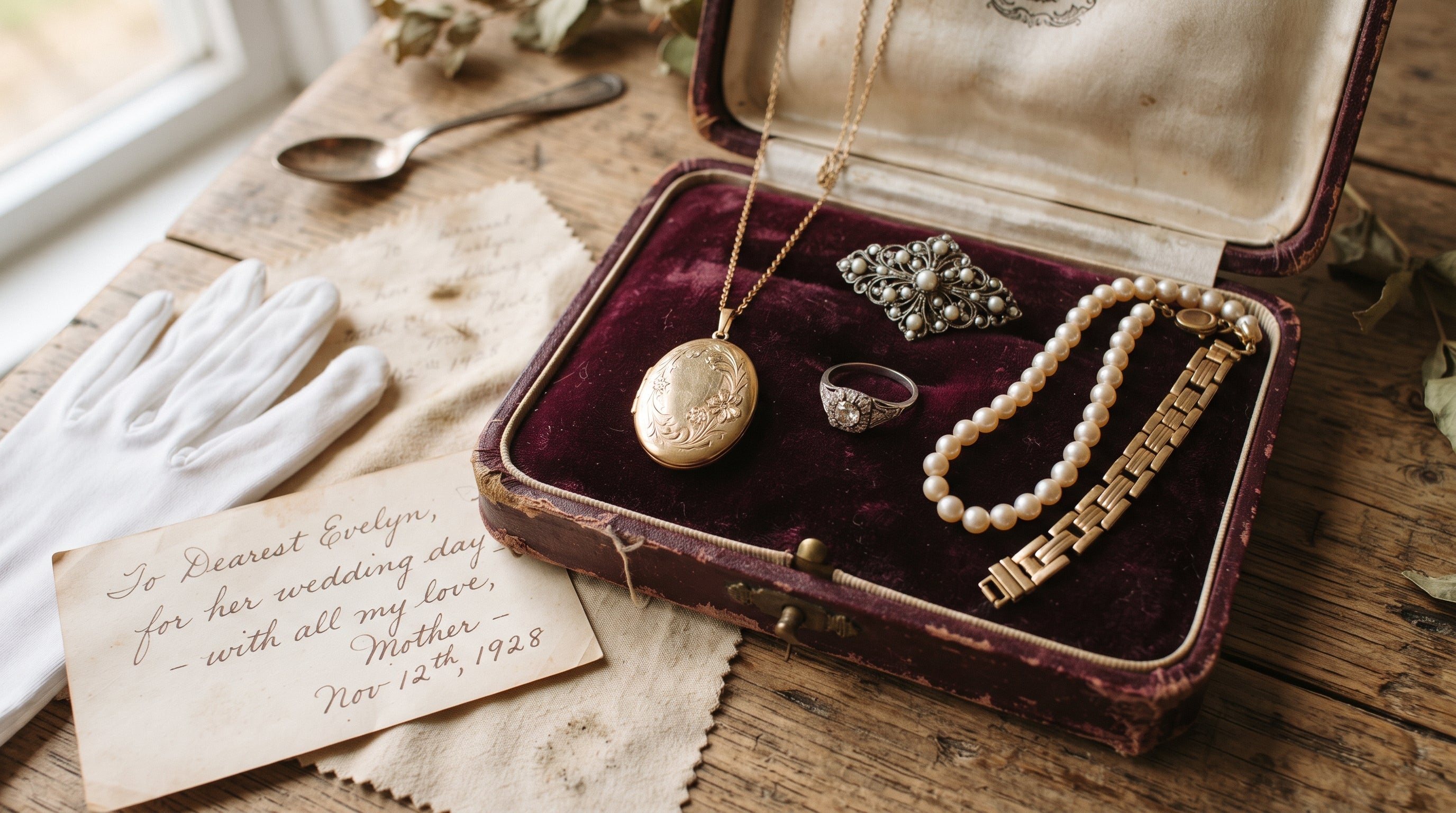
How to Care for and Preserve Estate Jewelry for the Next Generation
Estate jewelry is more than precious metals and gemstones—it's part of your family's story. Learn how proper storage, cleaning, inspections, and thoughtful repairs can help preserve heirloom jewelr...
Read more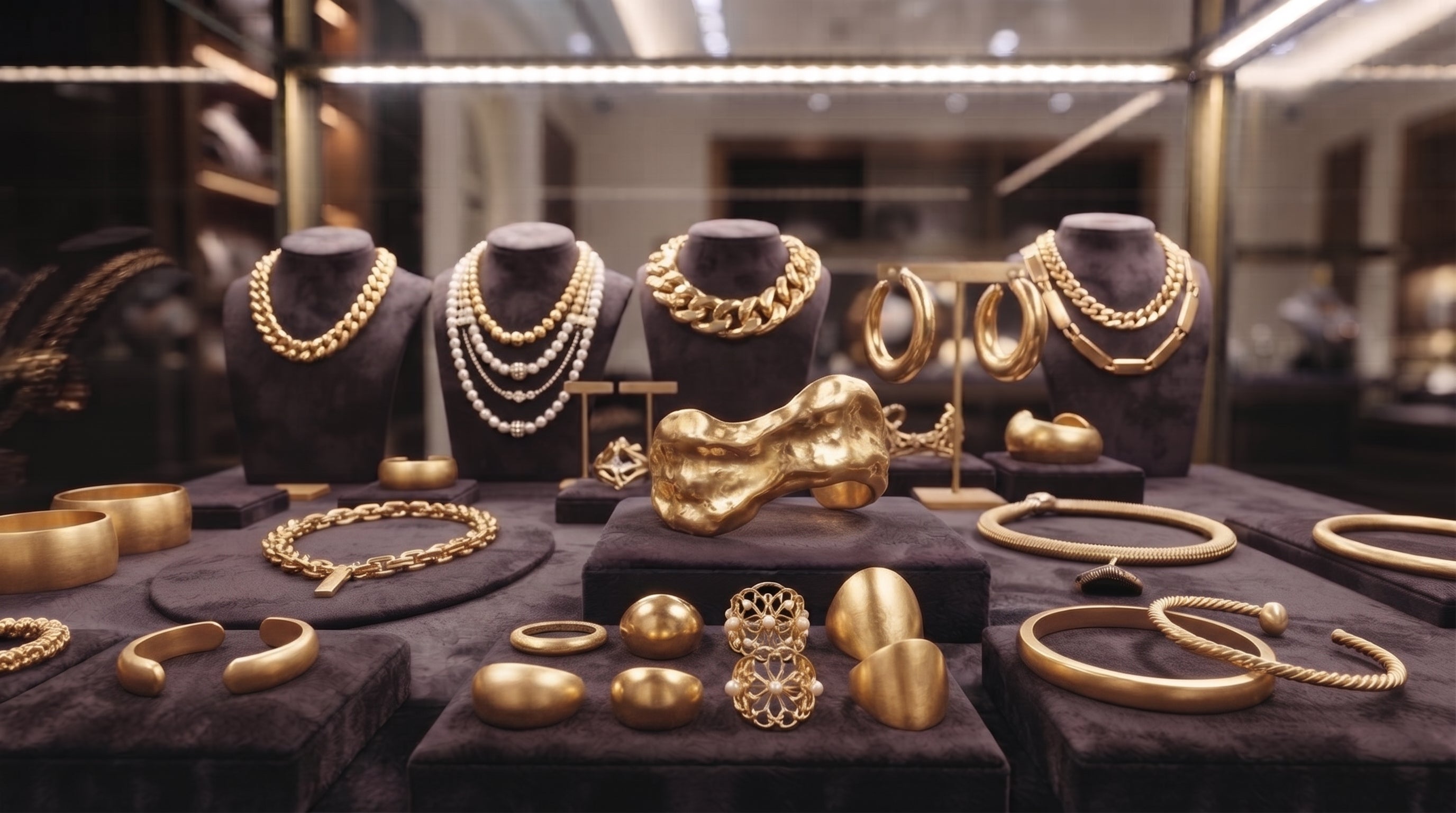
What to Look for When Buying Gold Jewelry: Karat, Hallmarks, Weight, and Quality
Learn what to look for when buying gold jewelry, from karat and hallmarks to weight, construction, craftsmanship, and condition. Understand why two gold pieces can have very different value.
Read more