
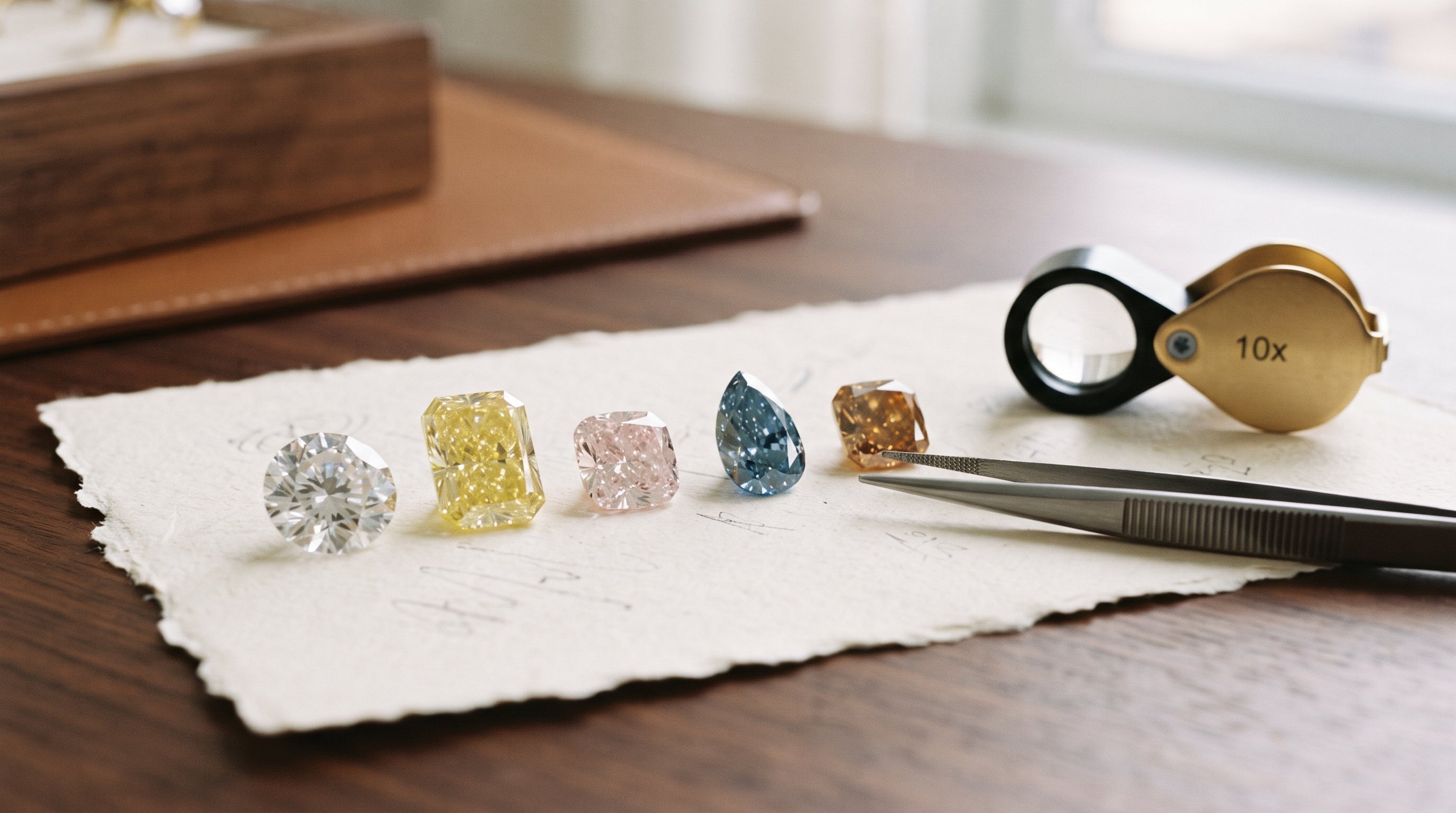
What Makes a Diamond a Fancy Color?
When most people think about diamonds, they picture a bright, colorless stone sparkling in an engagement ring.
For generations, the traditional diamond conversation has focused on the absence of color: the whiter the diamond, the rarer and more desirable it may be.
But some of the most fascinating and valuable diamonds in the world are treasured for exactly the opposite reason.
They have color.
Yellow, pink, blue, green, red, and other naturally occurring colors can transform a diamond into something exceptionally rare. These stones, known as fancy color diamonds, represent one of the most interesting areas of the diamond market because their value comes from a completely different relationship with color.
Instead of asking, "How little color does this diamond have?" collectors and buyers of fancy color diamonds ask:
"How rare, beautiful, and desirable is this particular color?"
How Do Diamonds Become Colored?
A diamond begins as pure carbon arranged in a crystal structure. However, during the billions of years that natural diamonds form deep within the earth, other elements or structural changes can affect how the diamond interacts with light.
Those changes create color.
Nitrogen and Yellow Diamonds
Yellow diamonds are among the most well-known fancy color diamonds.
Their color is typically caused by the presence of nitrogen within the diamond's crystal structure. Nitrogen atoms absorb certain wavelengths of light, creating the yellow appearance we see.
Yellow diamonds can range from very subtle shades to vivid, intense colors. The more concentrated and desirable the color, the more it can influence value.
Interestingly, a yellow tint that would generally reduce the value of a traditional white diamond can actually increase the desirability of a fancy yellow diamond when the color is strong and attractive.
Boron and Blue Diamonds
Blue diamonds are created differently.
Their color is associated with the presence of boron within the crystal structure. Boron absorbs certain wavelengths of light, producing the blue color that makes these diamonds so distinctive.
Natural blue diamonds are exceptionally rare, which is one reason they have long fascinated collectors.
The famous The Hope Diamond is one of the world's best-known examples of a blue diamond, demonstrating the enduring fascination these stones have held for centuries.
Structural Changes and Other Colors
Not all diamond color comes from trace elements.
Some colors result from changes or distortions within the diamond's crystal structure itself.
For example, many pink diamonds are believed to owe their color to structural irregularities that alter the way light travels through the stone.
Green diamonds can develop when radiation interacts naturally with the diamond over time.
Red diamonds are among the rarest and most sought-after because their exact color origin is complex and exceptionally uncommon.
Each color tells a different geological story.
Why Are Some Colored Diamonds More Valuable Than Colorless Diamonds?
Many people assume a colorless diamond must always be the most valuable because that is how traditional diamond grading works.
Fancy color diamonds challenge that assumption.
In the world of colored diamonds, rarity and desirability work differently.
A truly exceptional fancy color diamond may be far rarer than a colorless diamond of comparable size. Certain combinations of color, intensity, and size occur only rarely in nature.
A large, vividly colored diamond is not simply a diamond with a "different appearance"—it represents an unusual natural event that may never happen again.
This is why some fancy color diamonds have become highly prized by collectors.
Color Intensity Matters
With traditional white diamonds, less color is often preferred.
With fancy color diamonds, stronger color can increase desirability.
Fancy color diamonds are evaluated differently, with attention given to:
- Hue (the actual color)
- Tone (how light or dark the color appears)
- Saturation (the intensity of the color)
A pale yellow diamond and a vivid yellow diamond may be dramatically different in rarity and value.
However, the strongest color is not automatically the most desirable. Beauty, balance, and personal preference still matter.
Some buyers love a soft pastel pink diamond. Others are drawn to an intense, dramatic blue.
As with all fine jewelry, value is influenced not only by rarity—but also by what people find beautiful.
Natural, Treated, and Lab-Grown Colored Diamonds
Today's market includes several ways colored diamonds can be created or enhanced.
Understanding the difference is important.
Natural Colored Diamonds
Natural colored diamonds formed in the earth over billions of years.
Their appeal often comes from their rarity, natural origin, and the fact that their color developed through geological processes that cannot be easily replicated.
For collectors and many jewelry buyers, this natural history is a significant part of the attraction.
Treated or Enhanced Colored Diamonds
Some diamonds can be treated to create or improve color.
These treatments may allow consumers to enjoy the appearance of a colored diamond at a different price point.
Treated diamonds can be beautiful and may be a good choice for someone whose priority is achieving a particular look. However, treatment is an important factor when determining value and should always be disclosed.
Lab-Grown Colored Diamonds
Lab-grown diamonds can also be created in a wide range of colors.
Because they are produced in controlled environments, manufacturers can create diamonds with specific color characteristics, including very vivid and consistent colors.
Some buyers appreciate this because it allows access to dramatic colors and larger stones at different price points.
Other buyers specifically seek natural colored diamonds because of their rarity, geological origin, and place within the collector market.
These are simply different categories of diamonds appealing to different buyers.
Why Do People Choose Colored Diamonds?
For many people, the appeal of a colored diamond is that it feels personal.
A colorless diamond may represent a classic tradition.
A colored diamond often feels more individual.
Some buyers are drawn to:
- A favorite color
- A birthstone connection
- A unique engagement ring
- A less traditional style
- The rarity and history behind a natural colored stone
Colored diamonds also have a long history in important jewelry collections. Royal jewels, historic pieces, and exceptional estate jewelry often feature unusual diamonds because collectors have always appreciated stones that stand apart.
Estate Jewelry and Colored Diamonds
Estate jewelry is particularly fascinating because it often includes designs and gemstones that are difficult to find in today's jewelry market.
Older pieces may feature:
- Unusual diamond shapes
- Distinctive color combinations
- Handcrafted settings
- Natural gemstones selected for character rather than uniformity
Many vintage and antique jewelers appreciate that older jewelry often reflects a time when designers worked with the unique personality of each stone.
A slightly unusual diamond was not necessarily something to correct—it was often something to celebrate.
That individuality is one of the reasons estate jewelry continues to appeal to collectors and those searching for something different.
Final Thought
Fancy color diamonds remind us that beauty is not always about perfection.
Sometimes the very characteristic that makes a diamond different is what makes it extraordinary.
A yellow diamond is valuable because of its color.
A blue diamond is treasured because of its rarity.
A pink diamond is admired because of its extraordinary natural formation.
Like all fine jewelry, the value of a colored diamond comes from the combination of rarity, craftsmanship, beauty, and the meaning people attach to it.
For those who appreciate jewelry with history, personality, and a story of its own, fancy color diamonds represent one of the most captivating chapters in the world of gemstones.
Read more
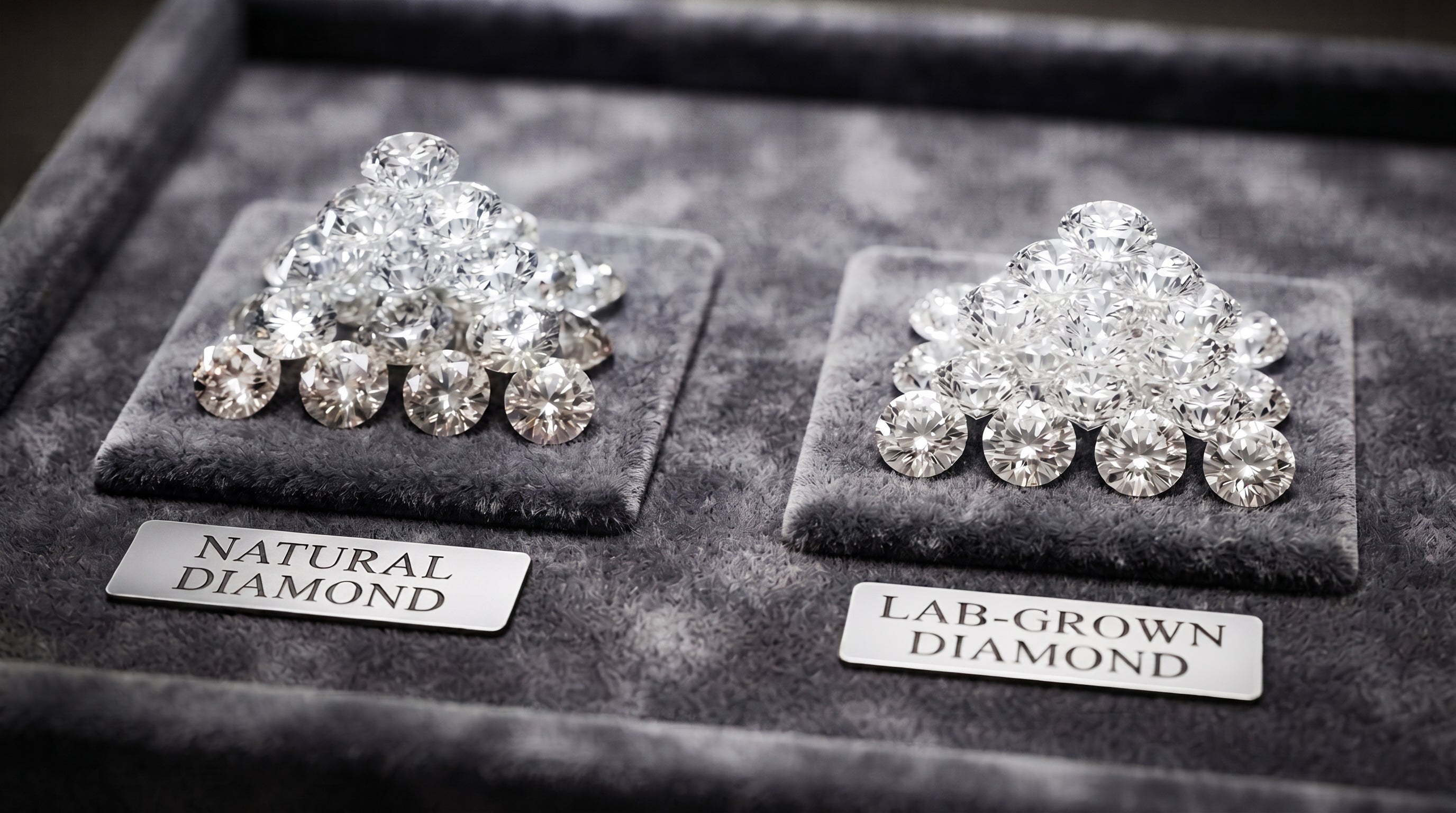
Lab-Grown vs. Natural Diamonds: Understanding the Real Differences Before You Buy
Natural and lab-grown diamonds share many physical characteristics, but they differ in origin, supply, pricing, and how buyers view their long-term value. Learn the real differences before choosing...
Read more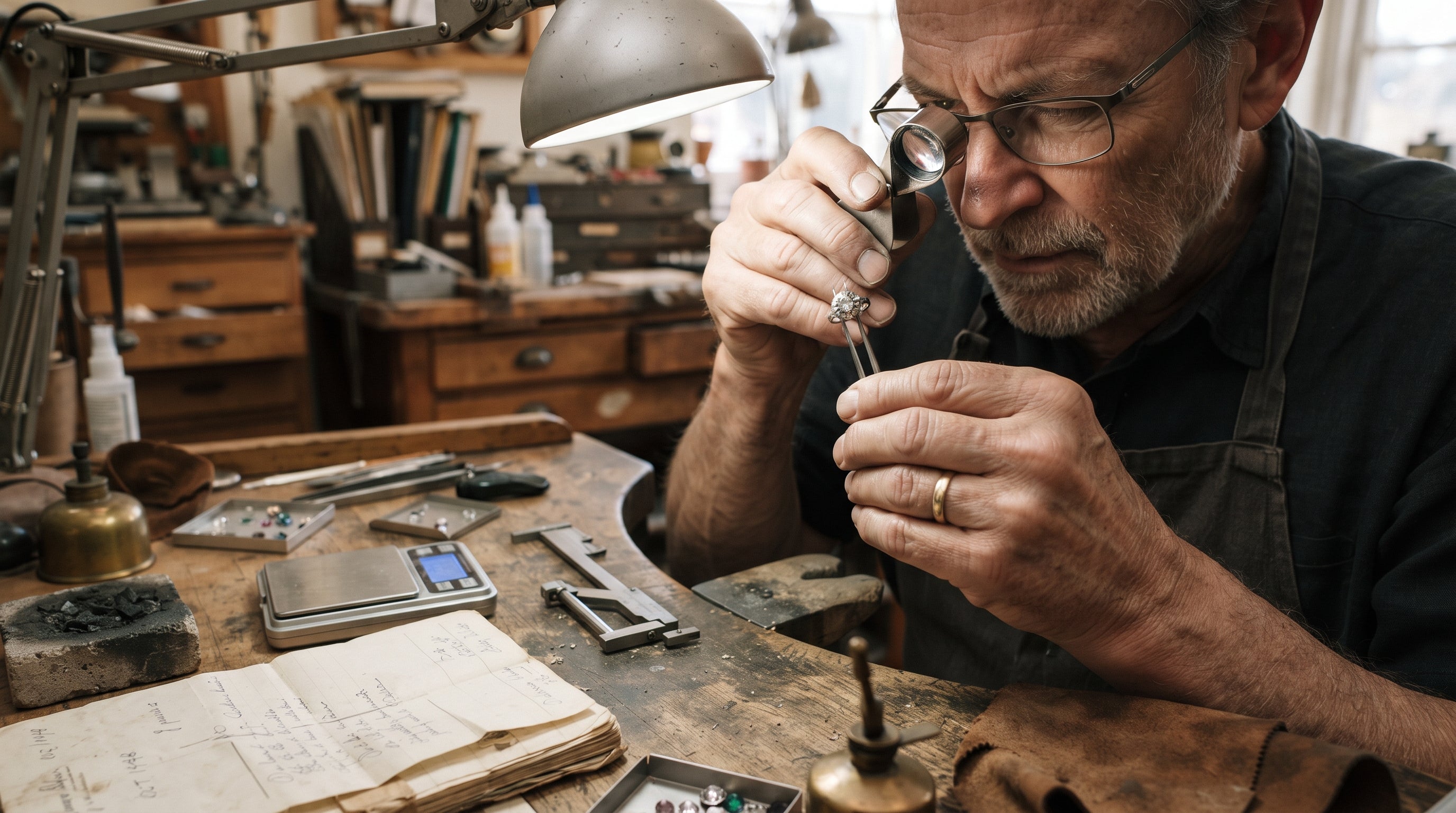
How Do Jewelers Determine What Jewelry Is Worth?
Ever wonder how jewelers determine what jewelry is worth? Learn the questions experienced jewelers ask when evaluating gold, diamonds, gemstones, craftsmanship, condition, designer pieces, and mark...
Read more