
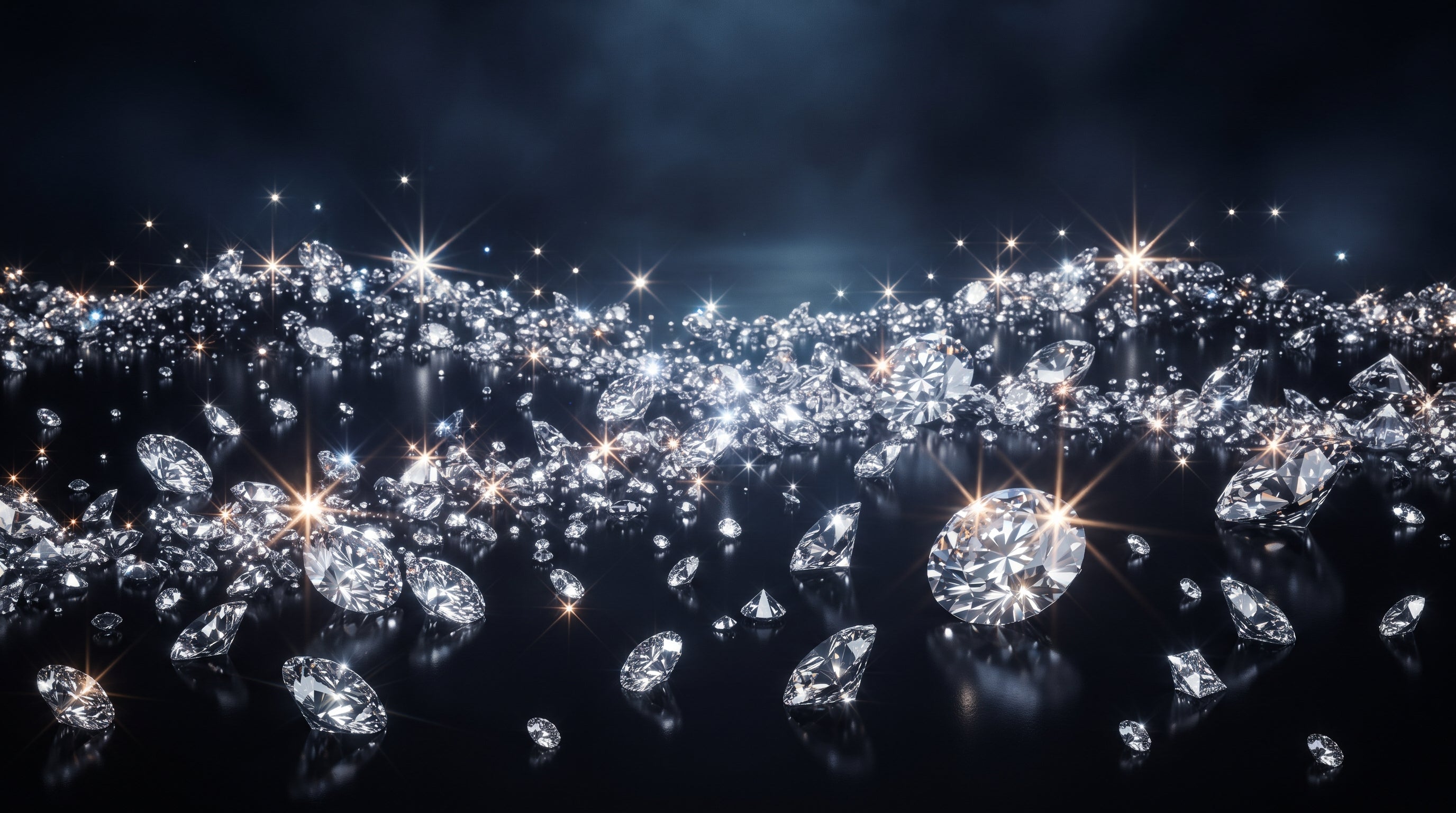
What Makes a Diamond Valuable?
Few gemstones have captured people's imagination quite like diamonds. For centuries, they've symbolized love, celebration, and permanence. They're passed from one generation to the next, set into engagement rings, worn to mark life's milestones, and often become some of a family's most treasured possessions.
But that raises an interesting question:
What actually makes a diamond valuable?
Many people assume the answer is simple: diamonds are expensive because they're diamonds. In reality, that's only part of the story.
Not every diamond is valuable, and not every valuable diamond looks the same. A diamond's worth comes from a combination of rarity, beauty, craftsmanship, and market demand. Understanding those factors helps explain why one diamond may be worth dramatically more than another—and why natural diamonds continue to hold a unique place in the world of fine jewelry.
Not Every Diamond Becomes Fine Jewelry
One of the biggest misconceptions about diamonds is that every diamond mined is destined for an engagement ring or a piece of fine jewelry.
That's far from the case.
Many natural diamonds are too small, too heavily included, too irregularly shaped, or otherwise unsuitable for jewelry. Others are used for industrial applications because of their exceptional hardness rather than their beauty.
The diamonds we admire in fine jewelry represent only a small portion of all the diamonds found in nature.
Even among gem-quality diamonds, only a relatively small number possess the combination of size, clarity, color, and beauty that make them especially desirable.
Rarity Matters
Like many things people value, rarity plays an important role.
Natural diamonds formed deep within the earth billions of years ago under extraordinary heat and pressure. Long before they appear in a jewelry store, they have already undergone an incredible natural journey.
But rarity isn't simply about being difficult to find.
What makes a diamond truly uncommon is the combination of characteristics it possesses. A large diamond may not be especially valuable if it has significant flaws, while a smaller diamond with exceptional beauty may be highly sought after.
The rarest diamonds combine multiple desirable qualities in a single stone—a combination that nature produces only occasionally.
Beauty Creates Desire
Rarity alone isn't enough.
Something also has to be desirable.
One of the reasons diamonds have remained popular for generations is their unique ability to interact with light. Their brilliance, sparkle, and flashes of color create a visual effect unlike almost any other gemstone.
People respond to that beauty instinctively.
Long before anyone asks about a grading report or an appraisal, they simply notice that a particular diamond catches their eye.
Beauty may be difficult to measure, but it plays an enormous role in why people continue to value diamonds generation after generation.
Nature Begins the Story—Craftsmanship Finishes It
A rough diamond doesn't look like the finished gemstone most people picture.
Before it reaches a jewelry store, it must be carefully studied, planned, and cut by highly skilled craftspeople.
Every decision matters.
A cutter must decide how to orient the rough crystal, which imperfections to remove, how much weight to preserve, and how to maximize the finished diamond's beauty.
Sometimes that means sacrificing a significant portion of the original rough stone in order to create a more beautiful finished gem.
In many ways, a polished diamond is the result of both nature and human craftsmanship.
People Value More Than the Stone Itself
Diamonds have also become valuable because of the meaning people attach to them.
For generations, they have symbolized commitment, family, celebration, and lasting relationships.
Engagement rings.
Wedding bands.
Anniversary gifts.
Family heirlooms.
Over time, diamonds often become woven into a family's history. They aren't simply gemstones—they're reminders of important moments and the people connected to them.
While sentimental value isn't reflected in a market appraisal, it helps explain why diamonds continue to occupy such an important place in fine jewelry.
Demand Shapes Value
Like any collectible or luxury item, diamonds are influenced by supply and demand.
Consumer preferences change over time.
Certain diamond shapes become especially popular. Others quietly return after years of being overlooked.
Some buyers specifically seek natural diamonds because of their rarity and geological history. Others appreciate different qualities altogether.
Markets evolve, and jewelry evolves with them.
A diamond's value reflects not only its physical characteristics but also the level of demand among today's buyers.
Natural and Lab-Grown Diamonds
Today's diamond market includes both natural and lab-grown diamonds.
Both are genuine diamonds with the same chemical composition and many of the same physical properties. They simply have different origins.
Natural diamonds were formed by geological processes over billions of years.
Lab-grown diamonds are created in controlled environments using advanced technology over a much shorter period.
Because the supply of lab-grown diamonds can be expanded through manufacturing, they generally occupy a different place in today's marketplace than natural diamonds.
Many consumers appreciate the opportunity to purchase a larger or higher-quality diamond at a lower price. Others specifically prefer the rarity, natural origin, and finite supply of natural diamonds.
Neither choice is inherently right or wrong. They simply appeal to different buyers for different reasons.
Estate Diamonds Tell a Different Story
One of the things we appreciate most about estate jewelry is that every diamond has already lived a life before arriving in our showcases.
Perhaps it celebrated an engagement decades ago.
Perhaps it marked a milestone anniversary.
Perhaps it has been passed through several generations of the same family.
Every estate diamond carries a history that can't be manufactured.
There's another aspect that many customers appreciate as well.
Estate diamonds are already part of the world's existing supply. No additional mining is required to bring them back into the marketplace. Instead, an existing natural resource is restored, appreciated, and given the opportunity to become part of someone else's story.
For many people, that's one of the quiet joys of estate jewelry. It's not simply about buying something beautiful—it's about continuing the life of an object that has already been cherished.
There Is No Single Formula
If you've ever wondered why two diamonds can have very different prices, the answer is that no single characteristic determines value.
Size matters.
Beauty matters.
Rarity matters.
Craftsmanship matters.
Market demand matters.
Each diamond represents a unique combination of those qualities, and no two are exactly alike.
That's one reason experienced jewelers avoid making assumptions based on a single number or specification. Understanding a diamond means looking at the complete picture.
Final Thought
Diamonds have endured not because they're the only beautiful gemstone, but because they represent a remarkable combination of nature, rarity, craftsmanship, and human meaning.
Their value isn't created by any one characteristic alone. It's shaped by billions of years of geological history, the skill required to transform a rough crystal into a finished gemstone, and the generations of people who have chosen diamonds to mark life's most meaningful moments.
Whether you're shopping for a diamond, admiring a family heirloom, or exploring estate jewelry for the first time, understanding what makes a diamond valuable begins with recognizing that every diamond has its own story.
And in many cases, that story is just beginning its next chapter.
Read more
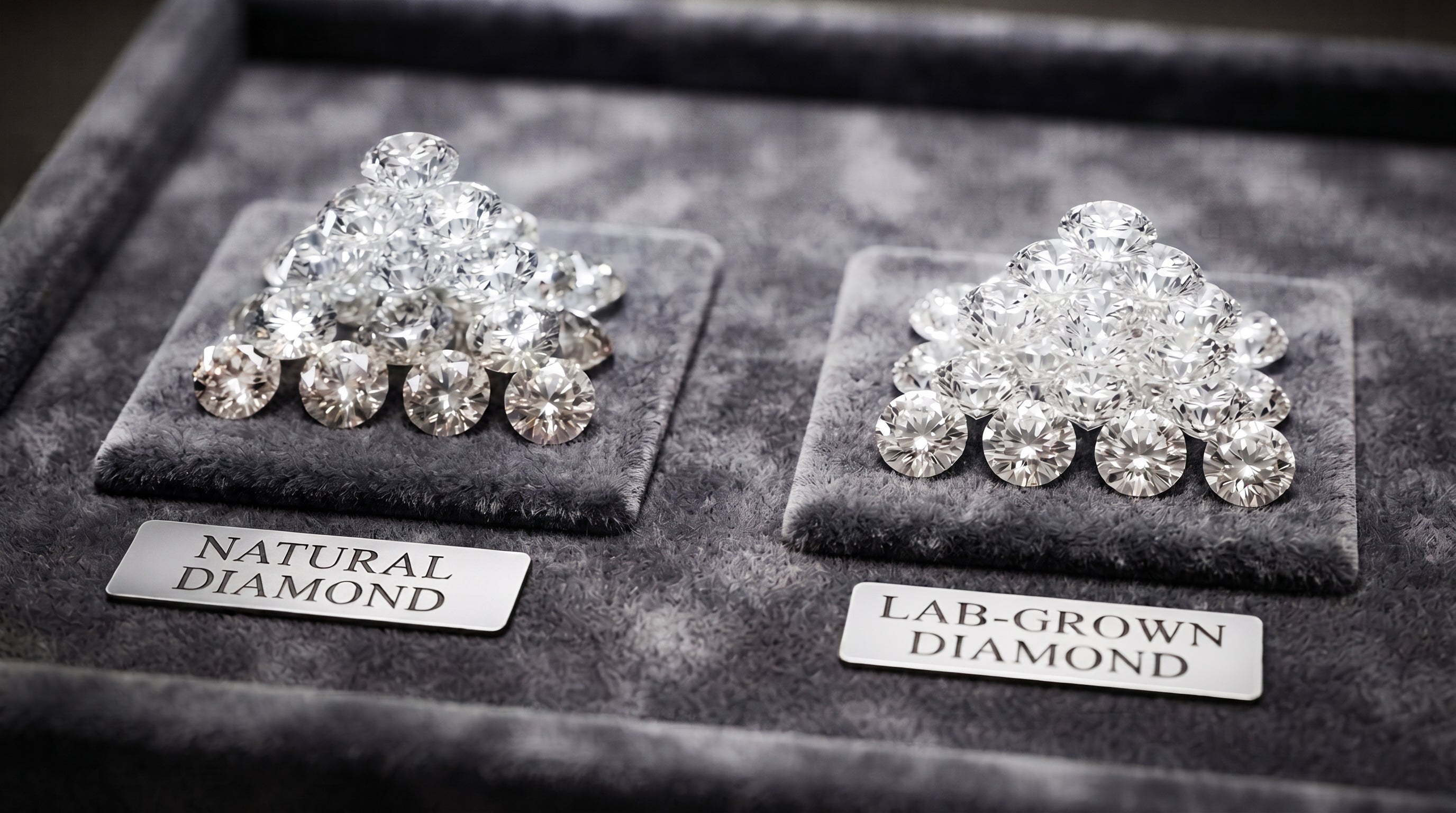
Lab-Grown vs. Natural Diamonds: Understanding the Real Differences Before You Buy
Natural and lab-grown diamonds share many physical characteristics, but they differ in origin, supply, pricing, and how buyers view their long-term value. Learn the real differences before choosing...
Read more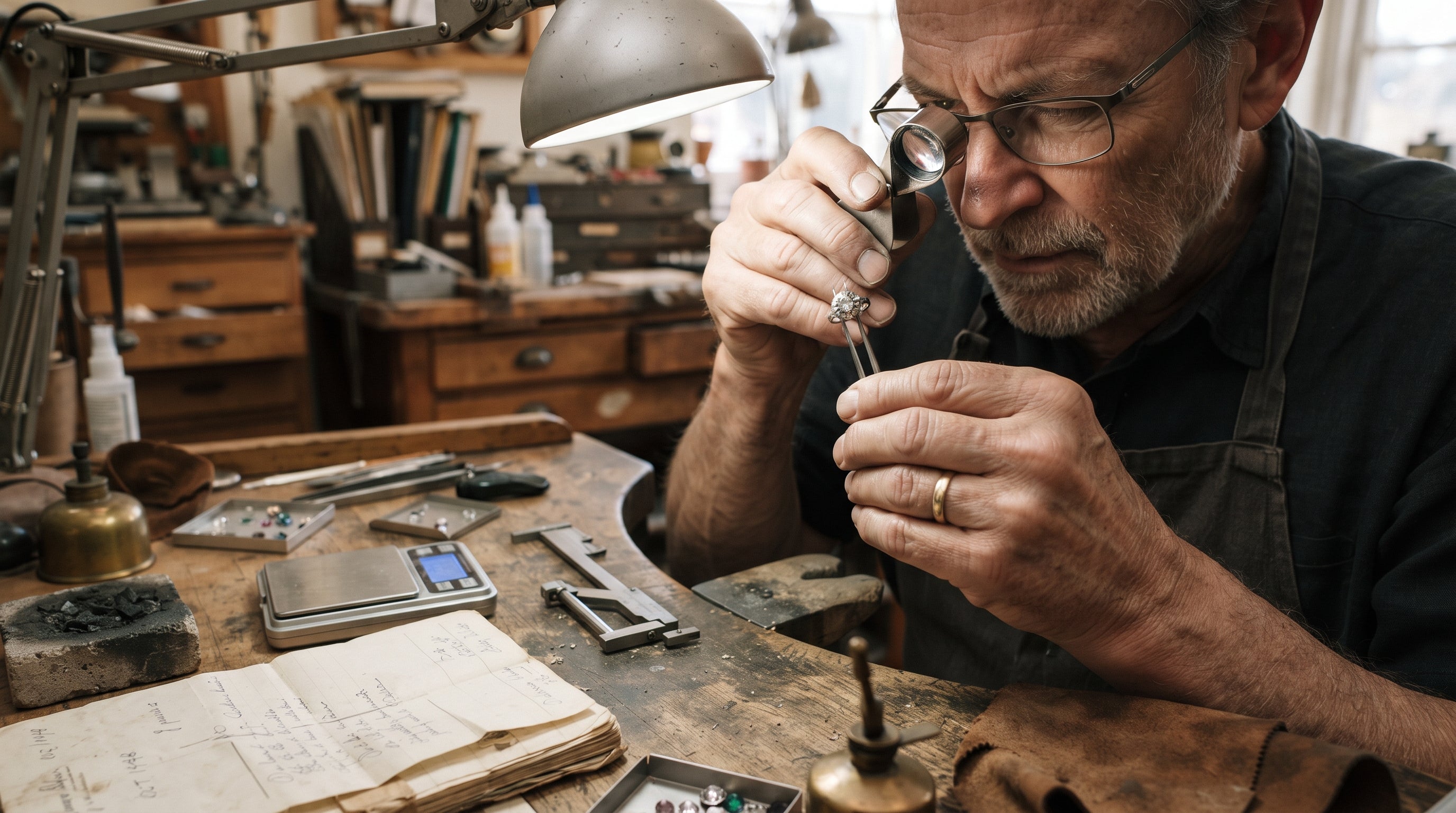
How Do Jewelers Determine What Jewelry Is Worth?
Ever wonder how jewelers determine what jewelry is worth? Learn the questions experienced jewelers ask when evaluating gold, diamonds, gemstones, craftsmanship, condition, designer pieces, and mark...
Read more