
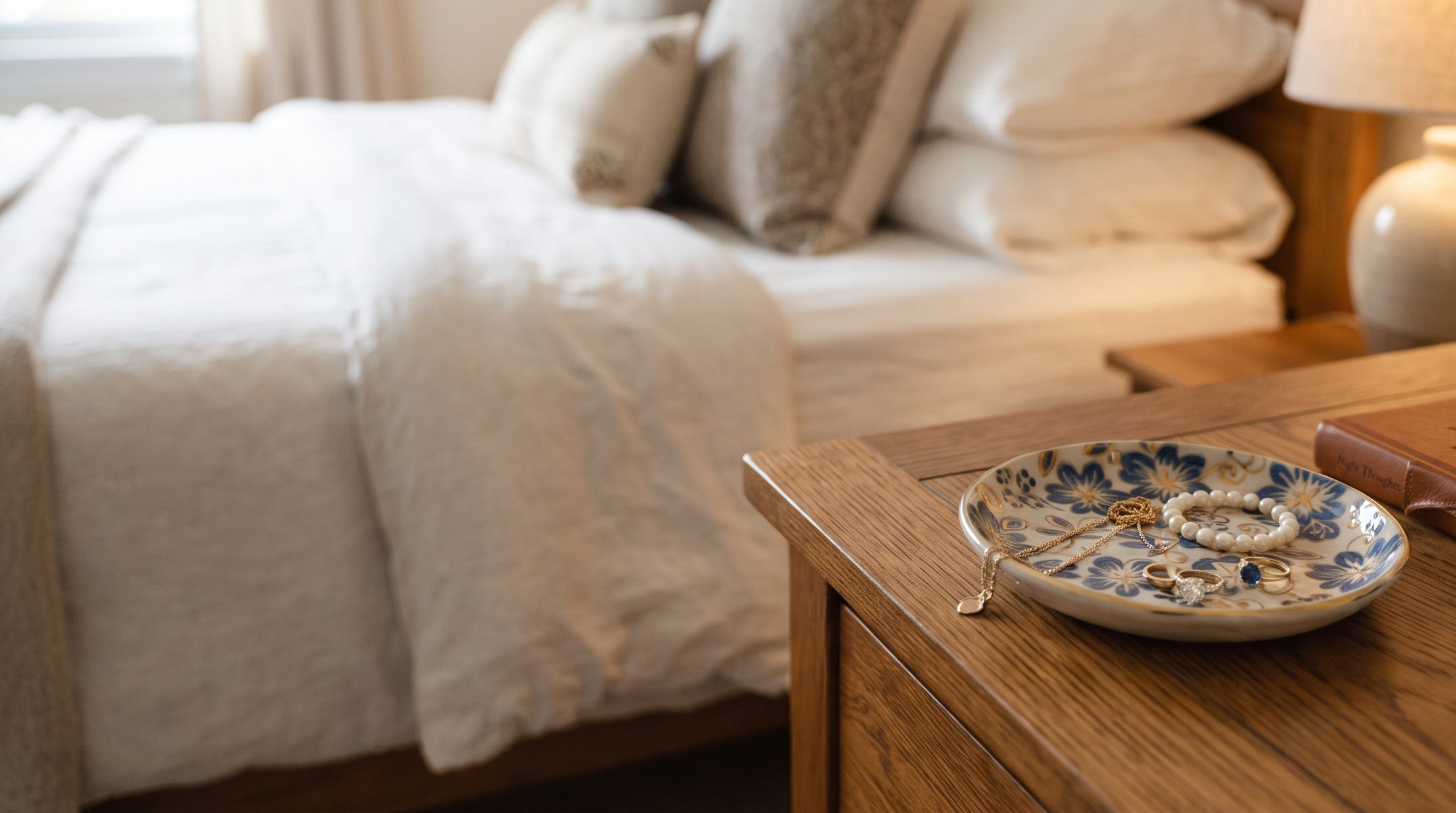
When Should You Remove Your Jewelry?
One of the most common questions we hear is:
"Can I wear my jewelry all the time?"
Fine jewelry is made to be worn and enjoyed—but not every activity is kind to precious metals and gemstones.
Even well-made jewelry experiences wear over time. Taking your rings, bracelets, necklaces, and earrings off during certain activities can help reduce unnecessary damage, minimize the risk of losing stones, and extend the life of your jewelry.
Here are some of the times we most often recommend removing your jewelry.
While Sleeping
Many people wear their rings or necklaces to bed without giving it much thought, but sleeping can be surprisingly hard on jewelry.
During the night, rings can catch on bedding, prongs may snag on fabric, and delicate chains can become twisted or kinked. Constant pressure against sheets and blankets also contributes to gradual wear on the metal over time.
If you wear multiple rings, they may rub against one another for hours each night, slowly creating scratches that add up over the years.
At the Gym or During Sports
Exercise is one of the most common causes of accidental jewelry damage.
Lifting weights can flatten or distort ring shanks, while gripping exercise equipment places significant pressure on prongs and settings. Contact sports increase the risk of bending rings, chipping gemstones, or injuring your finger if the ring catches on equipment.
Perspiration itself isn't usually the problem—it's the combination of impact, pressure, and repeated friction.
If you're working out, it's usually safest to leave your jewelry at home or store it securely before exercising.
While Swimming
Swimming pools and hot tubs present two different concerns.
First, chlorine can gradually affect certain jewelry alloys, particularly over repeated exposure. While an occasional swim isn't likely to cause immediate damage, frequent contact with heavily chlorinated water isn't ideal for fine jewelry.
Second—and perhaps more importantly—cold water can cause your fingers to shrink slightly. Rings that normally fit well can suddenly become loose, increasing the risk of slipping off unnoticed.
Many rings have been lost this way.
Saltwater presents its own challenges, and jewelry lost in the ocean is rarely recovered.
In the Shower
Soap, shampoo, conditioner, and body lotions don't usually damage diamonds themselves, but they can leave residue that dulls a gemstone's brilliance over time.
Soap buildup can also collect behind settings, making jewelry appear cloudy until it's professionally cleaned.
Removing jewelry before showering also reduces unnecessary wear from repeated contact with hard surfaces such as tile, faucets, and shower fixtures.
During Household Cleaning
Many household cleaners contain chemicals that can damage or discolor certain metals and gemstones.
Bleach, ammonia, and abrasive cleaning products should never come into contact with fine jewelry unless specifically recommended for that material.
Gardening, home improvement projects, and yard work also expose jewelry to dirt, impacts, and hard surfaces that can scratch metals or loosen stones.
Some Gemstones Need Extra Care
Not all gemstones are equally durable.
Diamonds are among the hardest natural materials, but even diamonds can chip if struck at the right angle.
Other gemstones require even greater care.
For example:
-
Emeralds often contain natural internal characteristics that make them more susceptible to chipping.
-
Opals are relatively soft and can be damaged by impact or sudden temperature changes.
-
Pearls have delicate surfaces that can be scratched by everyday wear and are easily affected by cosmetics, perfumes, and household chemicals.
-
Tanzanite, turquoise, and several other gemstones also benefit from more cautious wear than diamonds or sapphires.
Knowing what gemstones are in your jewelry can help you understand when extra care is worthwhile.
Check Your Prongs Before They Become a Problem
One of the simplest ways to protect your jewelry is to have it inspected periodically.
Prongs naturally wear over time as rings rub against clothing, countertops, steering wheels, and countless other surfaces during everyday life.
Most people don't notice this gradual wear until a stone becomes loose—or worse, falls out.
A routine inspection allows a jeweler to identify worn prongs, loose stones, or thinning areas before they become expensive repairs.
Don't Ignore Chipped or Worn Gemstones
Small chips and worn facet edges don't always require immediate replacement, but they shouldn't be ignored either.
Depending on the type of gemstone and the extent of the damage, it may be possible to repolish or recut the stone, improving both its appearance and its long-term durability.
Addressing minor damage early is often simpler than waiting until a larger repair becomes necessary.
Final Thoughts
Jewelry is meant to be worn—not hidden away in a box. The goal isn't to avoid wearing your favorite pieces, but to recognize the situations that create unnecessary wear.
Removing jewelry before activities like sleeping, swimming, exercising, or household chores takes only a moment and can help preserve its beauty for many years to come.
Regular professional inspections, prompt repairs, and a little preventative care go a long way toward protecting both the sentimental and financial value of the jewelry you enjoy every day.
Read more
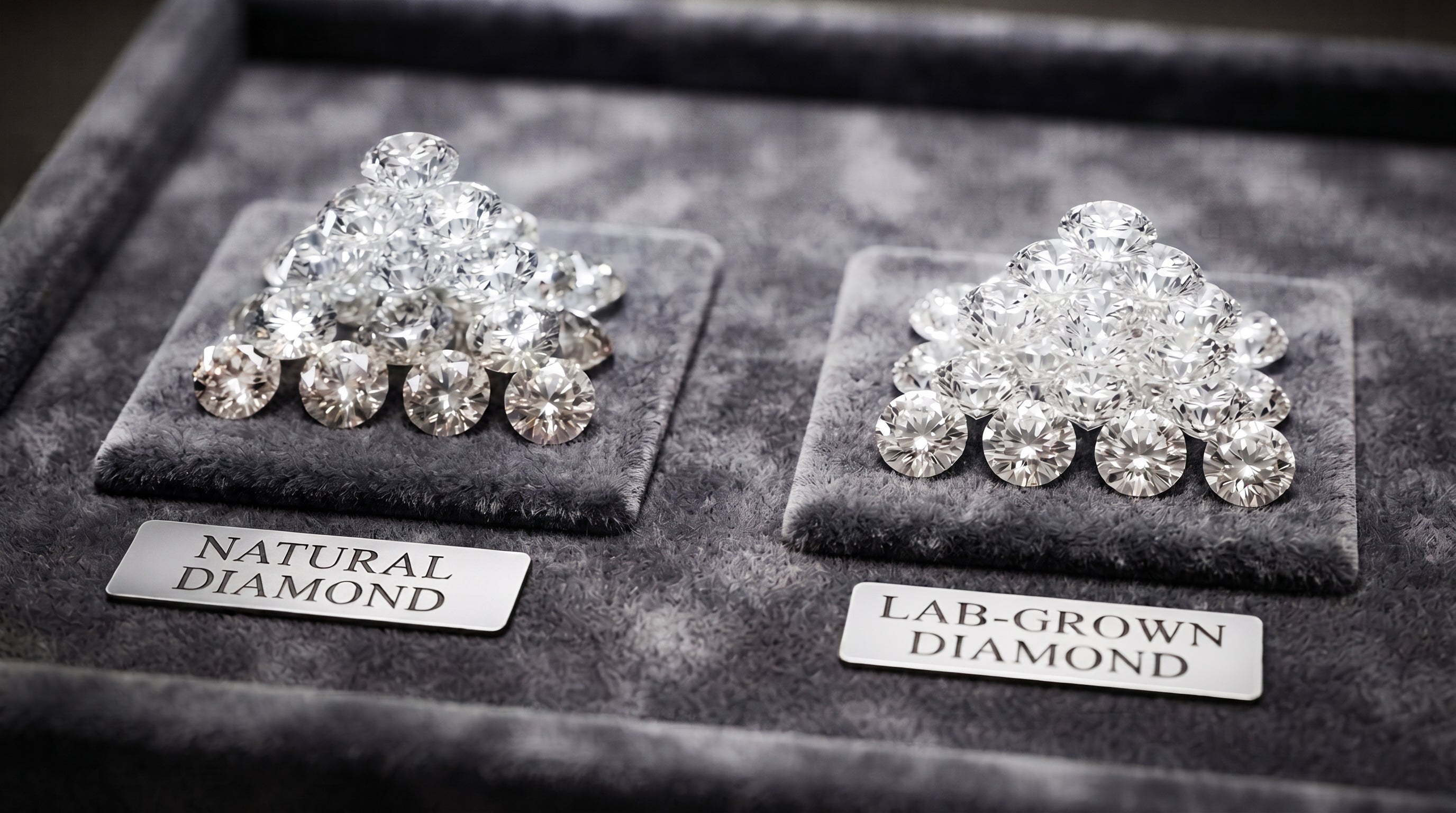
Lab-Grown vs. Natural Diamonds: Understanding the Real Differences Before You Buy
Natural and lab-grown diamonds share many physical characteristics, but they differ in origin, supply, pricing, and how buyers view their long-term value. Learn the real differences before choosing...
Read more
How Do Jewelers Determine What Jewelry Is Worth?
Ever wonder how jewelers determine what jewelry is worth? Learn the questions experienced jewelers ask when evaluating gold, diamonds, gemstones, craftsmanship, condition, designer pieces, and mark...
Read more