
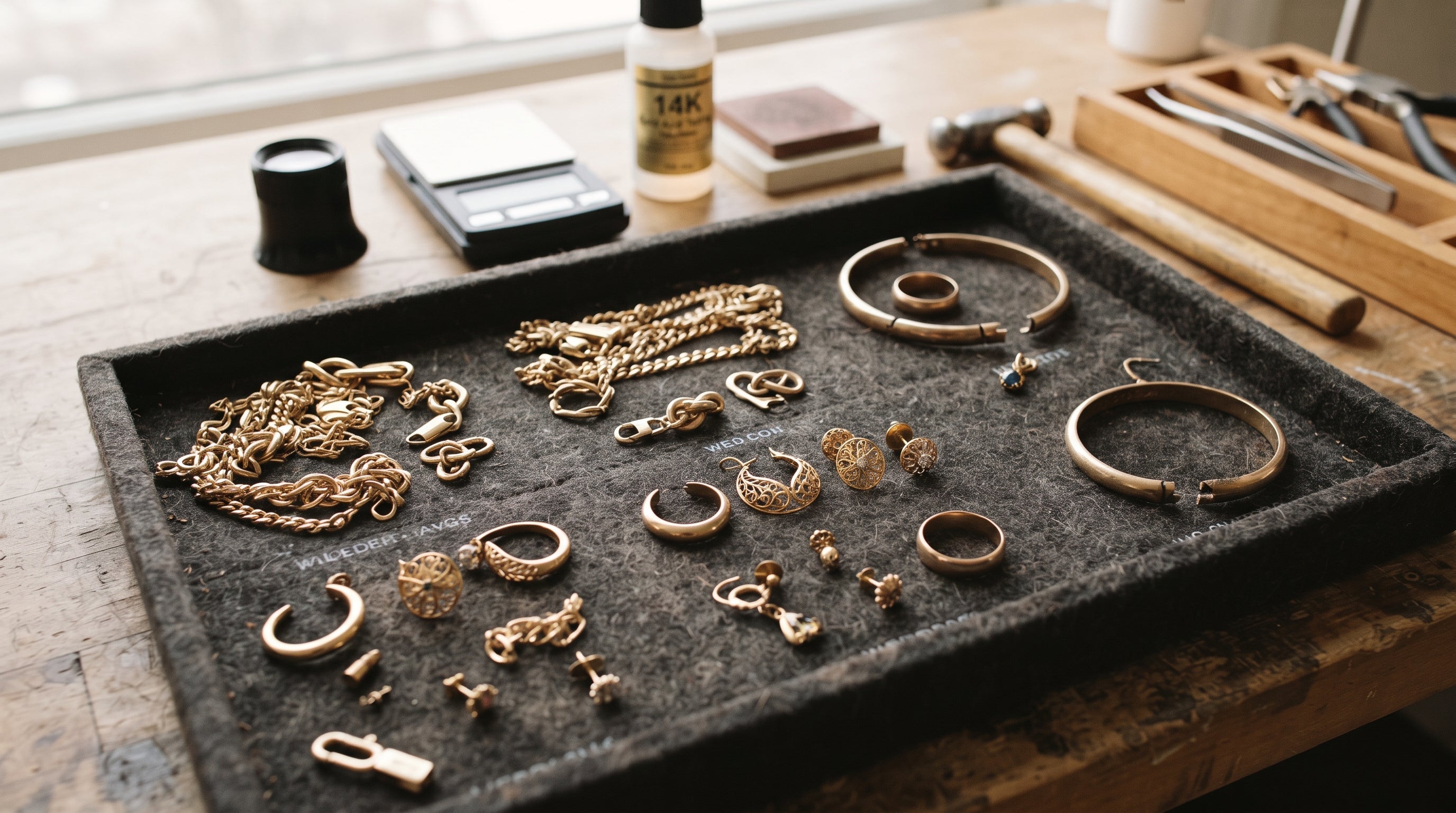
Why Gold Offers Differ Between Buyers
One of the questions we hear fairly often is:
"If the price of gold is published every day, why did I receive different offers for the same jewelry?"
It's a fair question.
Many people assume there should be one "correct" price for a gold ring or necklace because gold itself has a market value. But while the price of gold is public, buying gold jewelry isn't as simple as multiplying its weight by today's gold price.
Every buyer has to answer a series of questions before making an offer, and the answers aren't always the same. Factors like gold purity, gemstones, current market conditions, business model, and even what the buyer plans to do with the jewelry afterward can all influence the final number.
Understanding how those decisions are made can help you feel more confident when selling broken jewelry, inherited gold, unwanted pieces, or a collection you've had tucked away for years.
It Starts with the Gold Market
The first thing every buyer considers is the current market price of gold.
Gold is traded globally, and its value changes continually in response to economic conditions, investor demand, currency markets, and other factors. That means an offer you receive today may legitimately differ from one you received a month ago—or even a week ago—simply because the gold market has changed.
It's also important to remember that the published "spot price" represents the market price of raw gold, not the amount someone will necessarily pay for a finished piece of jewelry. Buyers still have costs associated with testing, processing, refining, and handling the material, so the spot price is a reference point rather than a direct purchase price.
The Next Question Is: How Much Gold Is Actually There?
Not all gold jewelry contains the same amount of pure gold.
One of the first things we determine is the metal purity. Common examples include:
-
10K
-
14K
-
18K
-
22K
The higher the karat, the greater the percentage of pure gold.
Weight matters too, of course—but weight alone doesn't tell the whole story. Two rings that weigh exactly the same can have different values if one is 10K and the other is 18K.
Establishing the actual gold content provides the foundation for the evaluation.
Is the Jewelry Worth More Than Its Gold?
This is where many people are surprised.
Not every piece of gold jewelry is simply worth its melt value.
One of the questions we ask is whether the jewelry itself has value beyond the precious metal it contains.
For example:
-
Does it contain natural diamonds?
-
Are there valuable colored gemstones?
-
Is it an antique or vintage piece?
-
Is it especially well made?
-
Could it appeal to someone looking for estate jewelry?
Sometimes the answer is no, and the gold content becomes the primary driver of value.
Other times, the answer is yes—and that's where offers can begin to differ.
Not Every Buyer Evaluates Diamonds and Gemstones the Same Way
This is one of the biggest reasons gold offers vary.
Some buyers are interested almost exclusively in the precious metal. Their evaluation is based primarily on the gold itself, and gemstones may not contribute significantly to the offer. Depending on the buyer's process, stones may even be excluded when calculating the amount of recoverable gold.
Other buyers—particularly jewelry professionals who regularly work with estate jewelry—may also evaluate the diamonds and gemstones.
Depending on the piece, they may consider:
-
The size and quality of the stones
-
Whether diamonds are natural or lab-grown
-
Current market demand
-
The condition of the gemstones
-
Whether they can be reused or resold
That's why two buyers can look at the same ring and legitimately arrive at different offers.
One may primarily see gold.
Another may see gold plus diamonds, gemstones, craftsmanship, or resale potential.
What Happens After the Purchase?
Another factor many people don't think about is what the buyer intends to do after purchasing the jewelry.
Some businesses specialize primarily in buying precious metals. Their goal may be to recover the gold value as efficiently as possible.
Other jewelry professionals may first consider whether the piece itself has value as wearable jewelry.
A broken gold chain and a vintage diamond ring may both contain gold, but they are unlikely to be evaluated in exactly the same way because they may have very different possibilities after purchase.
The intended use of the jewelry plays an important role in determining the offer.
Market Demand Still Matters
Even when two pieces contain similar amounts of gold, market demand can influence how they're viewed.
Jewelry styles change over time. Certain designs become more desirable, while others become less popular. Some pieces fit naturally into a jeweler's existing inventory, while others may be more difficult to sell.
That doesn't necessarily change the gold content—but it can influence how attractive the purchase is to a particular buyer.
Like most markets, jewelry is influenced by supply and demand.
Why Trust Matters
Selling gold jewelry is often about more than receiving a number.
Many people are selling inherited jewelry, wedding rings after a life change, or pieces they've owned for decades. Understandably, they want to know exactly what they're selling and how the offer was determined.
A reputable buyer should be willing to explain the evaluation, including:
-
How the gold purity was determined
-
The weight being used in the calculation
-
Whether diamonds or gemstones were included in the offer
-
Whether the jewelry is being evaluated primarily for its gold content or for additional characteristics
An experienced jewelry professional can also recognize when a piece may deserve a closer look because of its craftsmanship, gemstones, age, or overall desirability.
That kind of transparency helps you understand not just what the offer is, but why it was made.
Considering Selling Your Gold Jewelry?
If you're thinking about selling gold jewelry, the first step is understanding exactly what you have. Some pieces are valued primarily for their precious metal content, while others may have additional value because of their diamonds, gemstones, craftsmanship, or desirability as estate jewelry.
At Reliable Gold, we evaluate each piece individually and explain how we arrived at our offer, so you can make an informed decision with confidence.
Learn more about our Gold Buying services and what to expect during the evaluation process.
Final Thought
Although the price of gold is public, evaluating gold jewelry involves much more than looking at today's market price.
An experienced buyer considers the gold itself, the jewelry as a whole, and the possibilities beyond its precious metal content. That's why two offers can differ—and why understanding the evaluation is just as important as understanding the number.
Whether you're selling broken gold jewelry, inherited pieces, or fine jewelry you no longer wear, knowing how the process works helps you make an informed decision with confidence.
Read more
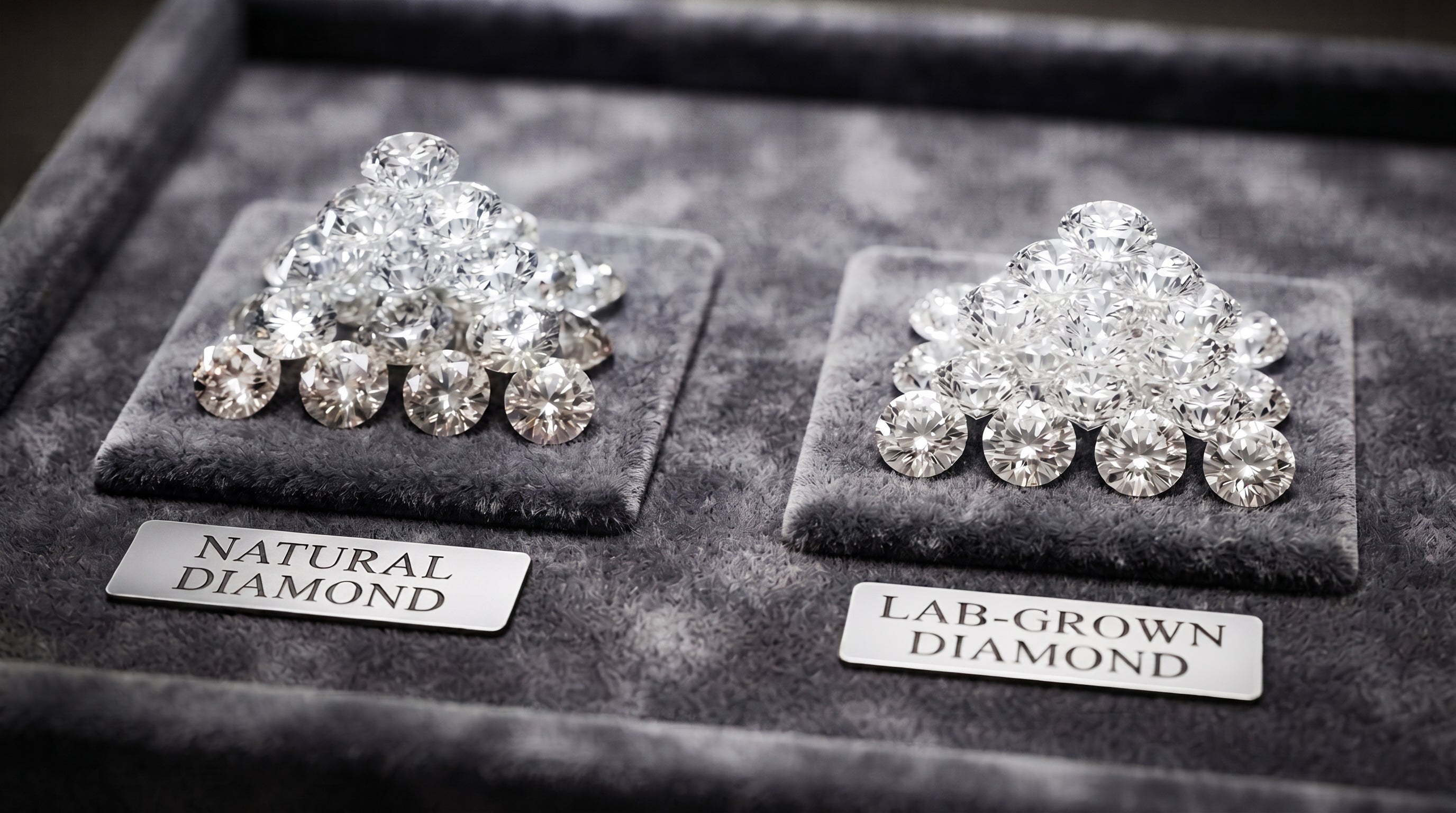
Lab-Grown vs. Natural Diamonds: Understanding the Real Differences Before You Buy
Natural and lab-grown diamonds share many physical characteristics, but they differ in origin, supply, pricing, and how buyers view their long-term value. Learn the real differences before choosing...
Read more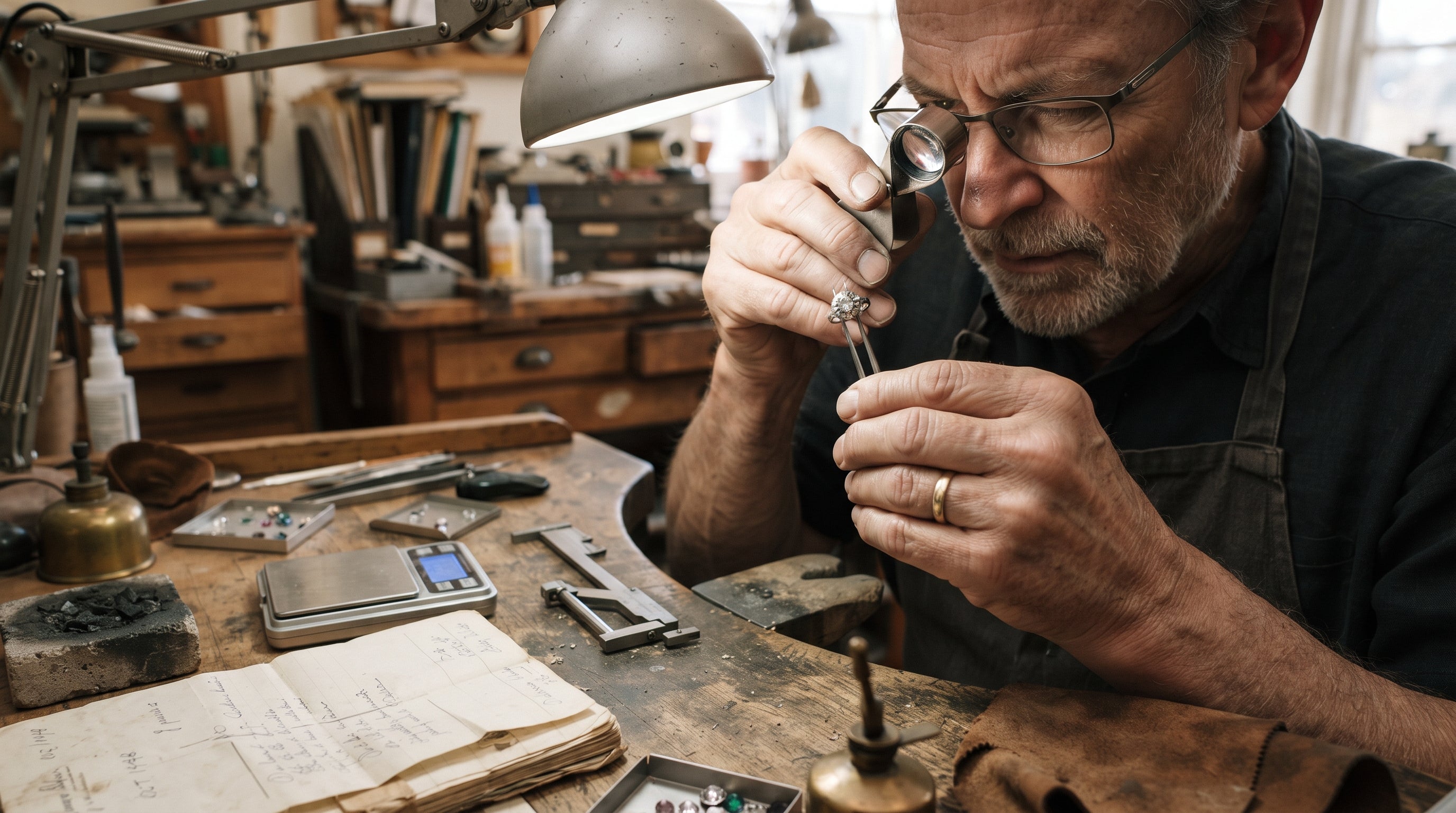
How Do Jewelers Determine What Jewelry Is Worth?
Ever wonder how jewelers determine what jewelry is worth? Learn the questions experienced jewelers ask when evaluating gold, diamonds, gemstones, craftsmanship, condition, designer pieces, and mark...
Read more