
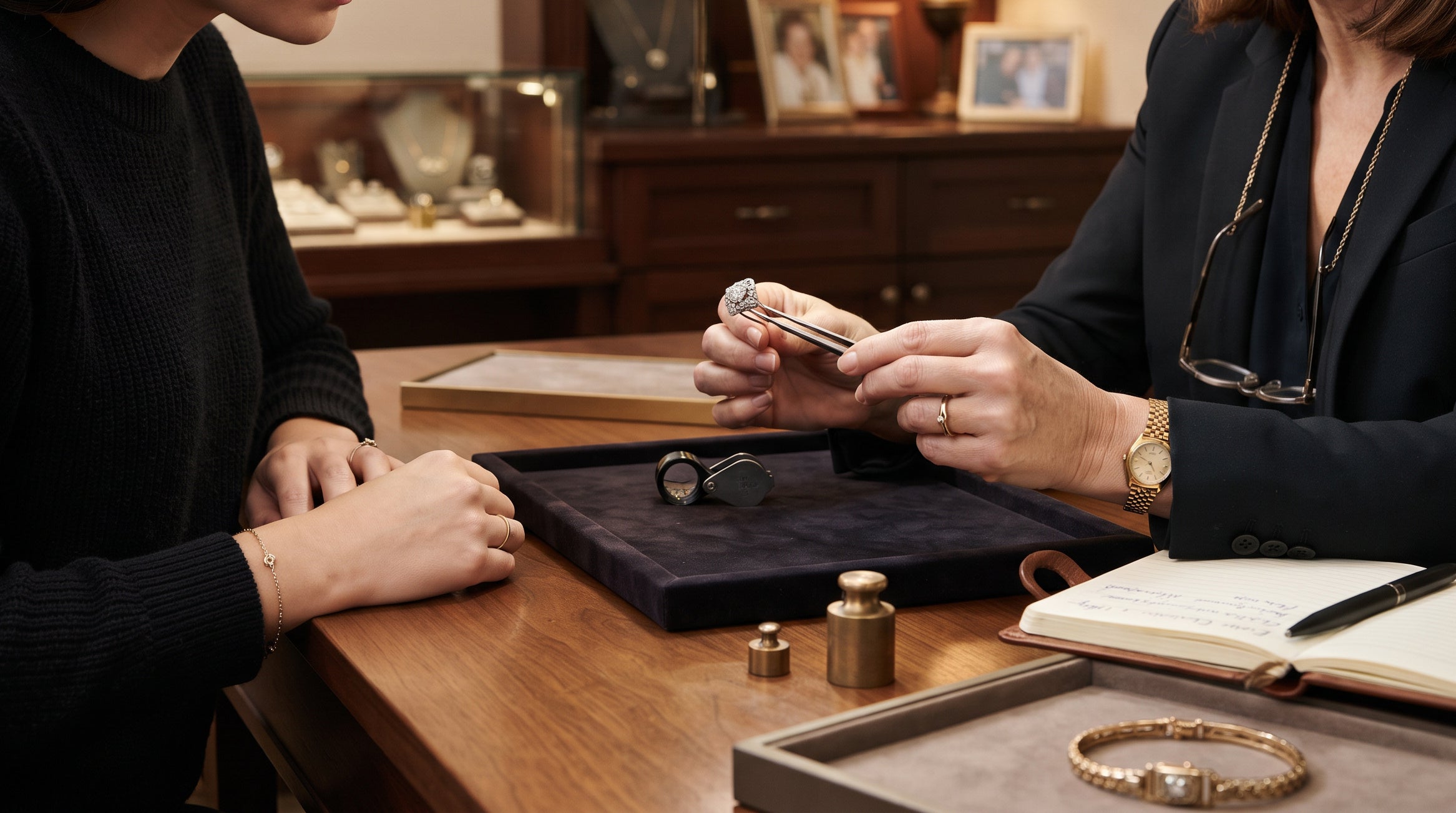
Why Two Jewelry Buyers May Offer Different Prices for the Same Piece
One of the most surprising experiences for many jewelry owners is bringing the same piece of jewelry to two different buyers and receiving two different offers.
It is natural to wonder:
"How can two professionals look at the same ring, necklace, or bracelet and come up with different prices?"
The answer is that jewelry does not have one universal price. A purchase offer is not determined by a single formula—it is an evaluation based on many factors, including what the jewelry is made of, what the buyer believes they can do with it, current market conditions, and the risks involved in purchasing it.
A difference in offers does not automatically mean that one buyer is wrong. Often, it means the buyers are evaluating the piece from different perspectives.
Understanding why offers vary can help you make more informed decisions when selling estate jewelry, inherited pieces, gold jewelry, or unwanted fine jewelry.
Buyers May Be Looking at Different Types of Value
The first thing to understand is that jewelry can have different values depending on the intended purpose.
An insurance appraisal asks:
"What would it cost to replace this piece?"
A jewelry buyer asks a different question:
"What can I realistically do with this piece after purchasing it?"
A buyer may consider whether the jewelry will be:
-
Resold as a finished piece
-
Sold through another retail channel
-
Used for its gemstones
-
Refined for its precious metal content
-
Added to existing inventory
These are very different considerations.
A beautiful antique ring may have strong retail appeal to one buyer, while another may view it primarily based on its gold and gemstone value. The offer will reflect that buyer's intended use.
Jewelry Buyers Assume Risk When They Purchase
When a jewelry store or buyer purchases jewelry outright, they are taking ownership immediately.
Unlike consignment, where the original owner retains ownership until the piece sells, an outright buyer assumes the responsibility and risk from the moment the transaction is completed.
That means the buyer must consider questions such as:
-
Will the piece sell?
-
How long will it take?
-
Does it need repairs or restoration?
-
Will customers want this style?
-
Are there similar pieces already in inventory?
-
Will the market change before it sells?
For most estate jewelry purchases, the buyer is not simply paying for what the item originally cost or what an appraisal says it is worth. They are making a business decision based on what they believe they can do with the piece in the future.
Retail Value and Resale Value Are Not the Same
One of the most common sources of confusion is the difference between retail pricing and what a buyer may offer.
A piece of jewelry may have a retail price based on:
-
Materials
-
Craftsmanship
-
Manufacturing costs
-
Retail overhead
-
Display and marketing expenses
-
Profit margins
A buyer purchasing used jewelry does not typically have the same pricing structure as a retail sale of new jewelry.
For example, a jeweler may be able to purchase a comparable new piece from a manufacturer or supplier at wholesale pricing. A previously owned piece must compete against other available inventory and still provide enough room for the buyer to cover expenses and make a reasonable return.
This is one reason a purchase offer is often lower than an item's original retail price or insurance replacement value.
Gold Prices Change Constantly
For jewelry containing significant precious metal value, current gold prices can have a major impact on offers.
Gold is traded in a global market, and prices fluctuate regularly based on economic conditions, investor demand, currency movements, and other market factors.
Because of this, two gold offers made at different times may not be identical simply because the underlying gold market has changed.
Even on the same day, different buyers may use slightly different methods for calculating value, including:
-
The current gold market price they reference
-
The percentage of the refining value they are willing to pay
-
Their refining costs and relationships
-
Their business expenses and risk tolerance
This is why it is important to understand not only the current gold price, but also how a buyer is determining their offer.
Different Buyers May Use Different Valuation Methods
Even when two buyers agree about the basics of a piece, they may evaluate it differently.
One buyer may focus more heavily on:
-
Precious metal weight
-
Gemstone value
-
Current resale demand
Another may place more emphasis on:
-
The ability to sell it as a finished piece
-
The style and condition
-
Their existing customer base
There is no single formula that applies to every piece of jewelry.
Experienced buyers use their knowledge of the market, but professional judgment is still part of the process.
This is especially true with estate jewelry, where every piece has a unique combination of age, design, craftsmanship, condition, and desirability.
Inventory Needs and Customer Base Matter
A factor many people do not realize is that a buyer's current inventory can influence an offer.
A jewelry store that already has several similar diamond rings, gold bracelets, or gemstone pieces may approach a purchase differently than a buyer actively looking for that category.
Likewise, a piece that appeals strongly to one store's customers may have less demand in another market.
Geography, clientele, and the type of jewelry a business specializes in can all affect how a buyer views an opportunity.
The same piece of jewelry may represent an exciting addition to one business and a difficult-to-sell item for another.
Understanding Your Options
If you are considering what to do with jewelry you no longer wear, understanding the difference between an outright sale and other options can help you make the decision that best fits your goals.
An outright sale provides a simple, immediate transaction, while alternatives such as consignment may allow certain pieces to be presented to retail buyers with the potential for a higher return—but with a longer timeline and no guarantee of sale.
Learn more about your options:
-
Explore our Sell Your Jewelry page to understand the process of receiving an offer for your fine jewelry, estate jewelry, or gold.
-
Learn more about Jewelry Consignment and whether your piece may be a good candidate for a retail sale.
Final Thought
When two jewelry buyers offer different prices for the same piece, it does not necessarily mean one buyer is undervaluing it or that there is a hidden "correct" number.
Jewelry value depends on many factors: materials, gemstones, craftsmanship, condition, market demand, timing, and the buyer's ability to resell or repurpose the piece.
A purchase offer reflects more than what the jewelry contains—it reflects what that particular buyer believes they can realistically do with it.
Understanding those differences allows you to evaluate offers more confidently and choose the option that makes the most sense for your goals.
Read more
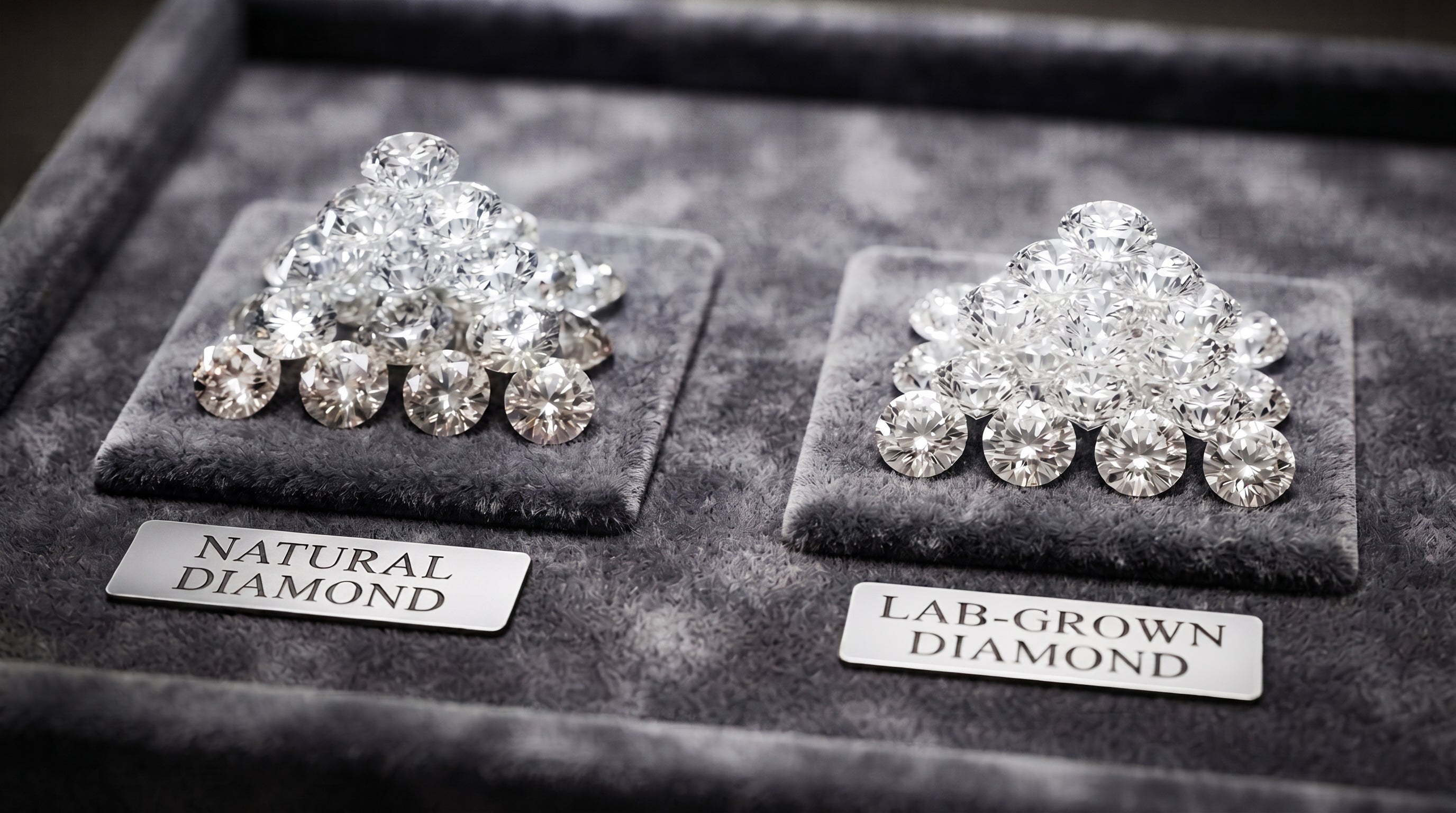
Lab-Grown vs. Natural Diamonds: Understanding the Real Differences Before You Buy
Natural and lab-grown diamonds share many physical characteristics, but they differ in origin, supply, pricing, and how buyers view their long-term value. Learn the real differences before choosing...
Read more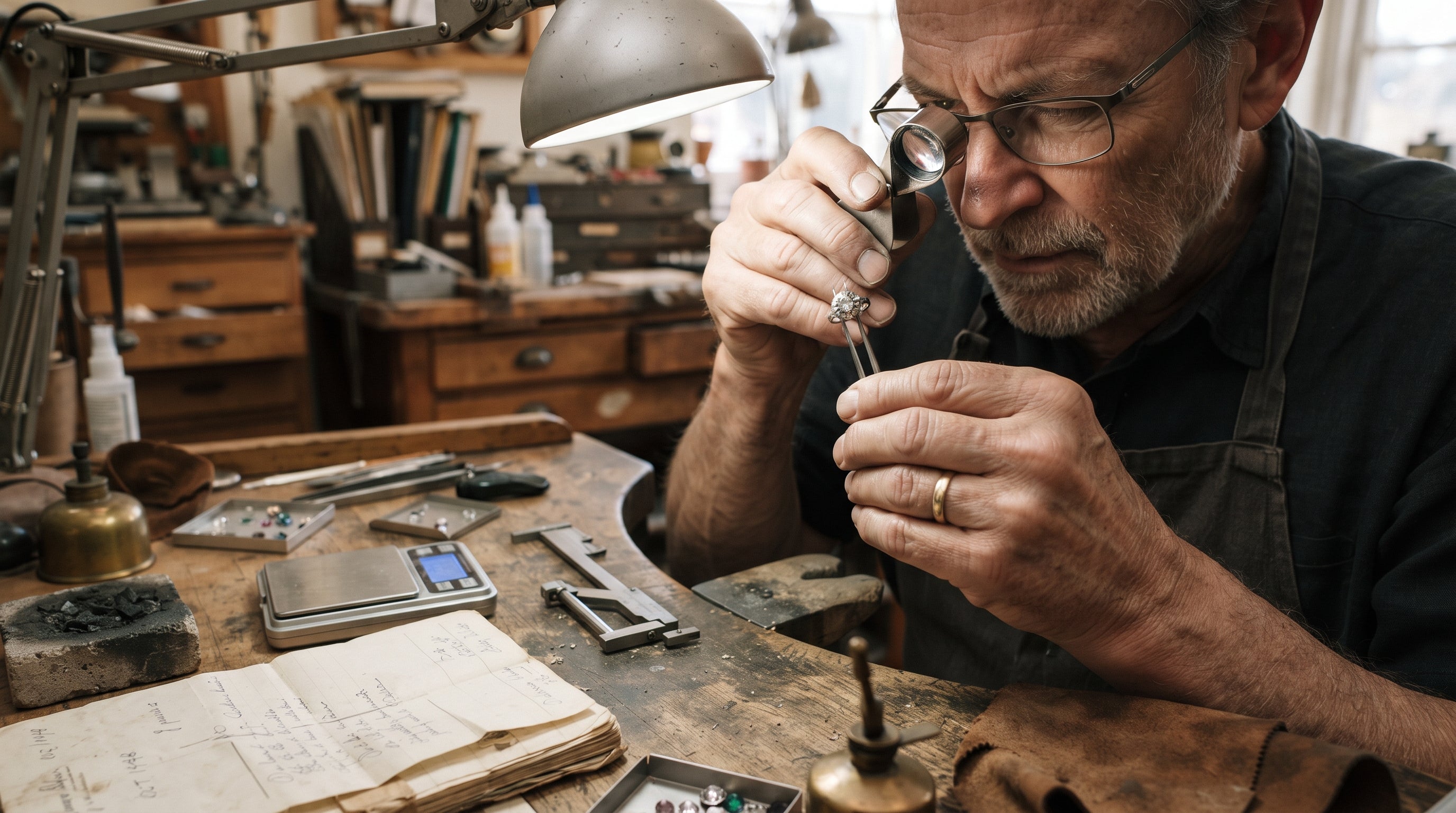
How Do Jewelers Determine What Jewelry Is Worth?
Ever wonder how jewelers determine what jewelry is worth? Learn the questions experienced jewelers ask when evaluating gold, diamonds, gemstones, craftsmanship, condition, designer pieces, and mark...
Read more